

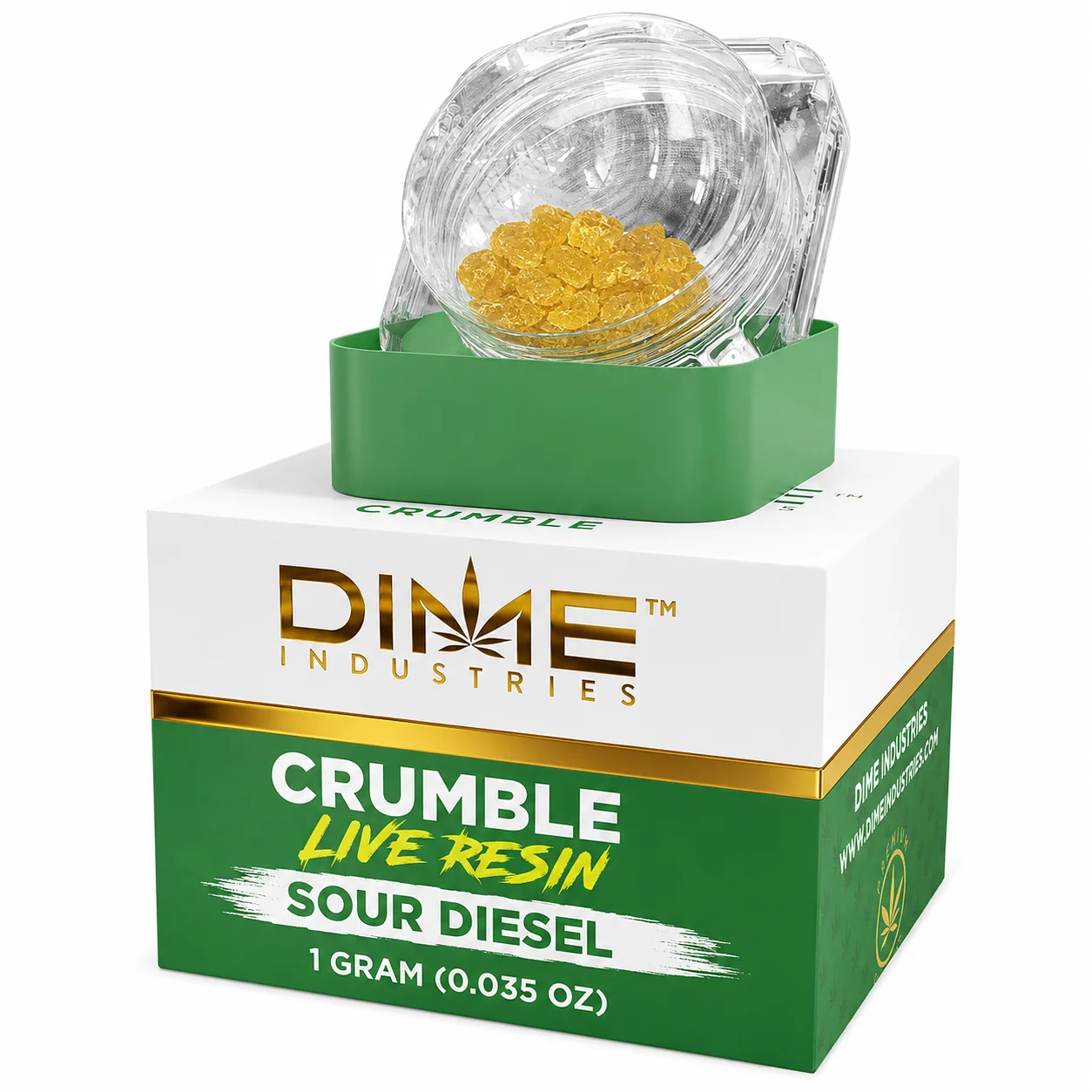
If you’ve ever opened a jar of premium live resin and noticed the strong aroma before you even saw the concentrate, you’ve already experienced the biggest reason people appreciate this extract. The smell is bold. The flavor feels fresh. And the texture is unlike many other cannabis concentrates.
So what makes it different?
The answer starts long before the live resin extraction process begins. It starts in the grow room, at harvest, and continues through careful handling, fresh frozen extraction, and precise processing designed to protect the plant’s natural compounds.
Understanding how crumble live resin is made helps explain why premium products often have richer aromas, brighter flavors, and more complex terpene profiles than many traditional concentrates. Instead of allowing harvested flowers to dry and cure first, growers freeze them immediately after harvest. This simple step changes everything.
Throughout this guide, you’ll learn exactly how each stage works, why terpene preservation matters, and how experienced extractors produce premium concentrates that stay true to the original flower. 🌱
Why Live Resin Is Different 🌲
Before talking about equipment or extraction, it’s important to understand what makes live resin unique.
Many cannabis concentrates begin with dried and cured flower.
Live resin doesn’t.
Instead, producers harvest mature cannabis flowers and freeze them almost immediately. This locks in many of the aromatic compounds that would normally begin changing during drying.
Think about fresh herbs.
Fresh basil smells stronger than dried basil.
Fresh mint has brighter aroma than dried mint.
The same basic idea applies here.
The goal isn’t simply preserving cannabinoids.
The goal is preserving the plant as close as possible to how it existed while growing.
That approach is one reason live resin has become one of the most recognized premium concentrates available today.
Why Fresh Frozen Flower Matters ❄️🌿
Fresh freezing is the foundation of every quality live resin.
Without it, you simply don’t have live resin.
Immediately after harvest, the flowers are placed into freezing conditions before traditional drying begins.
This step helps reduce changes that naturally occur after cutting the plant.
During drying, some volatile aromatic compounds gradually change or dissipate.
By freezing first, extractors can better preserve much of the plant’s original chemical profile.
That’s why fresh frozen extraction has become one of the defining characteristics of premium live resin production.
Benefits include:
✅ Better aroma retention
✅ More authentic strain characteristics
✅ Improved flavor complexity
✅ Richer terpene content
✅ Greater consistency between harvest and concentrate
The Science Behind Terpene Preservation 🧪🍋🌲
People often focus on THC percentages.
But experienced consumers know aroma tells an important story.
That aroma comes largely from terpenes.
Terpenes are naturally occurring aromatic compounds found in cannabis and many other plants.
They’re also found in:
🍋 Lemons
🌲 Pine trees
🥭 Mangoes
🌸 Lavender
🌺 Roses
🍊 Oranges
Each strain contains dozens of terpenes in different amounts.
Those combinations create the scent people associate with specific cultivars.
Examples include:
• Citrus
• Candy
• Pine
• Earth
• Diesel
• Berry
• Tropical fruit
• Floral notes
One of the biggest goals during cannabis extraction is maintaining these compounds throughout processing.
That’s why terpene preservation receives so much attention in premium extraction facilities.
Step One: Growing High-Quality Cannabis 🌱
Excellent concentrates begin with excellent flower.
No extraction process can turn poor-quality cannabis into exceptional live resin.
Professional cultivators pay attention to:
🌞 Light intensity
💧 Water quality
🌡️ Climate stability
🌬️ Air circulation
🪴 Nutrient balance
🛡️ Pest management
🌿 Plant genetics
Each factor influences cannabinoid production and terpene expression.
Harvesting healthy flowers provides the best starting material for extraction.
Many experienced producers also grow strains specifically because they produce exceptional live resin.
Popular choices often have naturally rich terpene profiles.
Step Two: Harvest Timing ⏰
Timing matters.
Harvest too early and cannabinoids haven’t fully developed.
Harvest too late and terpene profiles may begin changing.
Professional growers monitor:
🔍 Trichome maturity
🌿 Plant health
📅 Flowering time
🧪 Laboratory testing (when available)
Many harvest when trichomes appear mostly cloudy with a smaller percentage turning amber.
This stage often balances cannabinoid maturity with terpene quality.
Step Three: Immediate Freezing ❄️
This is where live resin separates itself from traditional concentrates.
Instead of hanging flowers to dry for days or weeks, freshly harvested plants are frozen quickly.
Usually this happens within hours of harvest.
Flowers may be stored at temperatures well below freezing until extraction begins.
Immediate freezing helps reduce:
• Oxidation
• Heat exposure
• Moisture loss
• Terpene evaporation
The result is plant material that closely resembles freshly harvested cannabis.
That’s why people often describe live resin as tasting “fresh.”
Why Drying Changes Cannabis 🍃
Drying is necessary for traditional flower.
But it naturally changes the plant.
During drying:
Water evaporates.
Some terpenes slowly dissipate.
Certain aromatic compounds oxidize.
Others transform into different compounds.
None of this means dried flower is poor quality.
It simply creates a different final product.
Live resin takes another path by preserving much of the fresh profile before these changes occur.
Step Four: Preparing the Frozen Material 🧊
Once extraction is scheduled, frozen cannabis remains cold during handling.
Maintaining low temperatures helps protect delicate compounds before live resin extraction begins.
Extractors carefully prepare:
✔ Frozen flower
✔ Extraction vessels
✔ Temperature controls
✔ Safety systems
Everything must remain consistent.
Temperature swings can affect extraction quality.
Understanding Cannabis Trichomes 🔬
Most cannabinoids and terpenes exist inside tiny resin glands called trichomes.
Under magnification they resemble tiny crystal mushrooms.
These glands contain:
🌿 Cannabinoids
🌸 Terpenes
🧪 Flavonoids
🍯 Natural plant resins
The goal during extraction is separating these compounds from the plant material while minimizing unnecessary degradation.
That balance requires both experience and precision.
The Role of Professional Extraction Equipment ⚙️
Modern extraction systems are designed for consistency.
Operators monitor:
🌡️ Temperature
📈 Pressure
⏱️ Time
💨 Solvent movement
❄️ Cooling systems
Every strain behaves differently.
Adjustments may be made depending on:
• Moisture content
• Resin production
• Flower density
• Desired consistency
Experienced extraction teams document each batch carefully.
This helps maintain quality across future production runs.
Why Consistency Matters 📋
Premium live resin isn’t judged only by appearance.
Consistency matters from one batch to the next.
Quality producers often standardize:
✅ Harvest timing
✅ Freezing methods
✅ Extraction parameters
✅ Purging conditions
✅ Storage practices
This repeatable process helps preserve aroma, flavor, and texture across multiple harvests.
Step Five: The Live Resin Extraction Process Begins ❄️🧪
Once the flower is frozen and ready, it moves into the extraction system.
The goal is simple.
Separate the valuable compounds inside the trichomes while leaving unwanted plant material behind.
During live resin extraction, extractors aim to preserve:
🌿 Cannabinoids
🍋 Terpenes
🌸 Flavonoids
🟡 Natural resin compounds
Every extraction facility has its own workflow, but experienced teams focus on consistency rather than speed.
A rushed extraction often sacrifices quality.
A controlled extraction produces cleaner, more flavorful premium concentrates.
What Actually Gets Extracted? 🔬
Many people think extraction only removes THC.
That’s only part of the picture.
Professional cannabis extraction targets several important compounds.
Cannabinoids
These include naturally occurring cannabinoids present inside the flower.
Examples include:
✔ THC
✔ CBD
✔ CBG
✔ CBC
✔ Minor cannabinoids
Terpenes 🍊🌲
Terpenes give every strain its unique smell and flavor.
Without them, concentrates lose much of their personality.
Examples include:
🍋 Limonene
🌲 Pinene
🌶 Caryophyllene
🥭 Myrcene
🌸 Linalool
Each contributes different aromatic characteristics.
Flavonoids 🌼
Flavonoids receive less attention than cannabinoids or terpenes, but they also contribute to the plant’s overall profile.
Together, these compounds create what many enthusiasts call the “full-spectrum” experience.
Keeping Temperatures Low ❄️
Temperature control is one of the biggest differences between average extraction and exceptional extraction.
Many aromatic compounds become unstable when exposed to unnecessary heat.
That’s why experienced processors carefully monitor temperatures throughout production.
Benefits include:
✅ Better terpene preservation
✅ Cleaner aroma
✅ More accurate strain expression
✅ Improved flavor
Even small temperature differences can affect the final concentrate.
Why Pressure Matters ⚙️
Pressure works together with temperature.
During live resin extraction, pressure helps move solvents through frozen plant material efficiently.
Too little pressure reduces efficiency.
Too much pressure may affect extraction quality.
Professional operators constantly monitor:
📈 Pressure gauges
🌡 Temperature
⏱ Extraction time
🧪 Solvent flow
The goal is consistency from one batch to another.
Protecting Delicate Terpenes 🌸🍋
One reason people choose live resin is because of its aroma.
That aroma depends heavily on careful handling.
Terpenes are surprisingly delicate.
Exposure to:
☀ Heat
💨 Air
🌡 Warm temperatures
⏳ Long processing times
can gradually reduce terpene content.
That’s why terpene preservation influences nearly every step inside the extraction facility.
Separating Plant Material 🌿
After extraction begins, valuable compounds dissolve into the extraction solution while unwanted plant matter remains behind.
Processors then separate:
✔ Plant fibers
✔ Chlorophyll-heavy material
✔ Unwanted waxes
✔ Excess moisture
This creates a cleaner extract before further refinement begins.
The goal isn’t removing everything.
It’s removing unnecessary material while keeping desirable compounds intact.
Step Six: Purging the Extract 💨
Once extraction finishes, the concentrate isn’t ready yet.
The next stage is called purging.
Purging removes residual extraction solvents from the concentrate.
Professional facilities carefully control:
🌡 Temperature
🕒 Time
💨 Vacuum pressure
Each batch receives close monitoring.
Proper purging improves:
✅ Purity
✅ Stability
✅ Texture
✅ Flavor
This step is critical for producing safe, high-quality premium concentrates.
Why Purging Takes Time ⏳
Many people assume extraction is the longest step.
Often, careful purging requires just as much patience.
If rushed:
• Texture may suffer
• Aroma may decrease
• Stability may decline
Experienced extractors understand that patience usually produces a better concentrate.
How Crumble Texture Develops 🍯
One question comes up often.
Why does crumble look different from sauce or badder?
The answer lies in post-processing.
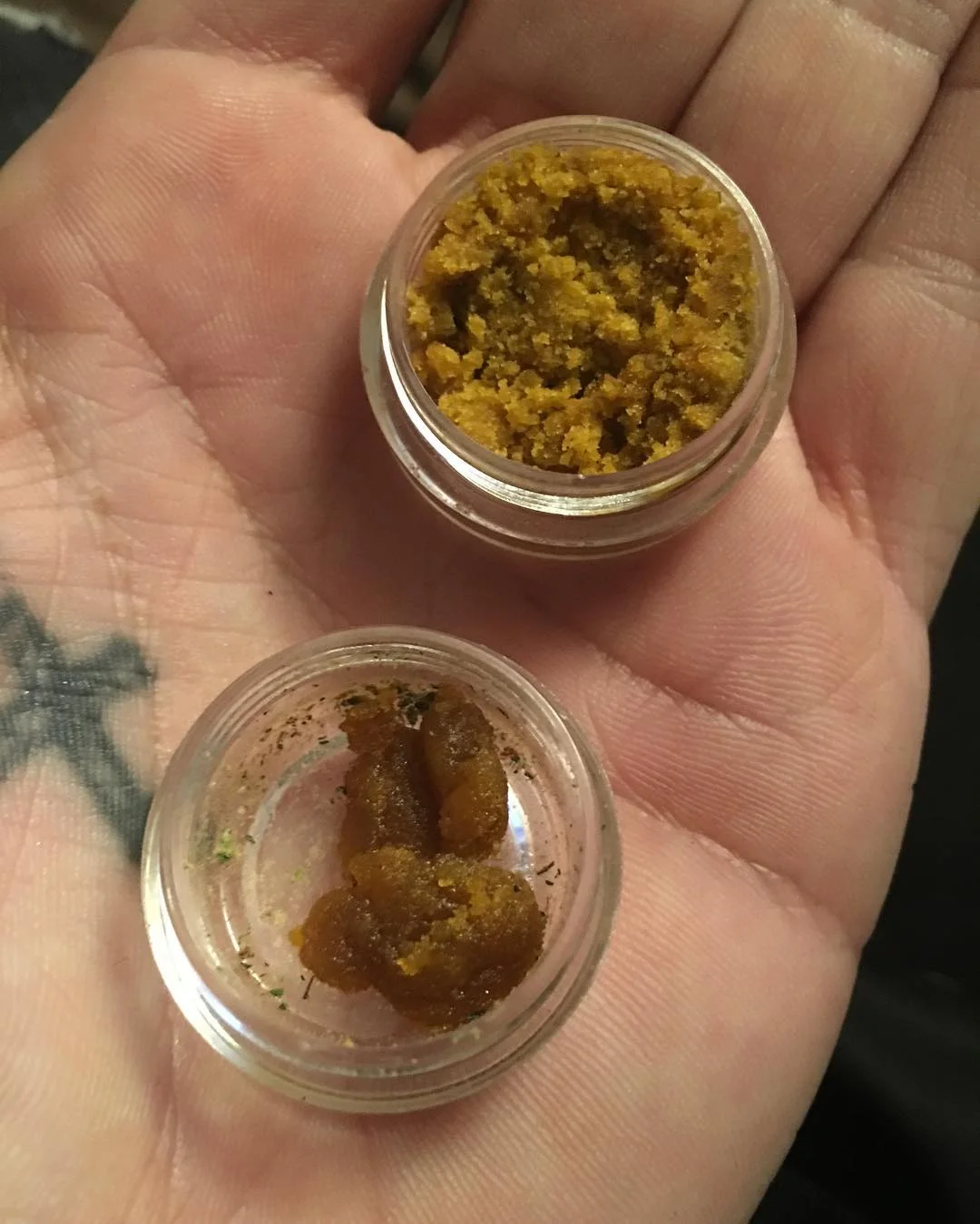
After extraction and purging, processors carefully encourage a texture that becomes dry enough to crumble apart while still retaining aromatic compounds.
This balance depends on:
✔ Moisture levels
✔ Temperature
✔ Mixing
✔ Time
Each producer develops techniques that create their preferred consistency.
Premium crumble should feel:
✨ Soft
✨ Slightly dry
✨ Easy to break apart
✨ Evenly textured
It shouldn’t feel overly wet.
It also shouldn’t become dusty or overly brittle.
Texture Isn’t Everything 🌿
A beautiful concentrate doesn’t automatically mean exceptional quality.
Experienced buyers evaluate several characteristics together.
They look for:
🍯 Texture
👃 Aroma
🎨 Color
✨ Consistency
🌸 Terpene richness
All five work together.
No single characteristic tells the whole story.
Understanding Color 🟡
Many premium live resin products display shades of:
💛 Light gold
🌞 Honey
🟠 Amber
🍯 Pale yellow
Color naturally varies.
Factors include:
• Genetics
• Harvest timing
• Extraction conditions
• Storage
• Terpene content
Color alone should never determine quality.
A darker concentrate isn’t automatically worse.
A lighter concentrate isn’t automatically better.
Professional evaluation always considers the complete profile.
Batch Testing and Quality Control 🔬
Before packaging, reputable producers typically perform quality testing.
Testing often evaluates:
🧪 Cannabinoid profile
🌸 Terpene profile
💧 Moisture
🦠 Microbial safety
🧬 Purity
Many facilities also review:
✔ Appearance
✔ Aroma
✔ Texture
✔ Consistency
This helps ensure each production batch meets internal quality standards.
Why Terpene Testing Matters 🌿
Cannabinoid numbers receive most of the attention.
But terpene analysis provides another layer of information.
Testing may identify compounds like:
🍋 Limonene
🌲 Pinene
🌶 Caryophyllene
🥭 Myrcene
🌸 Linalool
The balance of these compounds helps explain why one strain smells fruity while another smells earthy or fuel-like.
Proper Storage Before Packaging ❄️
Even after production is complete, storage still matters.
Professional facilities often store concentrates under carefully controlled conditions.
This helps reduce exposure to:
☀ Light
🔥 Heat
💨 Oxygen
💧 Moisture
Proper storage supports long-term terpene preservation.
Packaging Premium Concentrates 📦
Once quality checks are complete, the concentrate moves into packaging.
Good packaging protects against:
✔ Air exposure
✔ Light exposure
✔ Contamination
✔ Moisture
High-quality jars also help maintain aroma over time.
A secure seal helps preserve freshness until the product is opened.
Why Small Batches Often Perform Better 🌱
Many premium producers prefer smaller production batches.
Smaller batches allow closer monitoring at every stage.
Benefits include:
✅ Better consistency
✅ More careful inspection
✅ Improved quality control
✅ Greater attention to detail
This approach may require more time, but it often leads to a more consistent product.
From Flower to Finished Product 🌿➡️🍯
By this stage, the frozen flower has completed several important steps.
🌱 Carefully cultivated
❄️ Frozen immediately after harvest
🧪 Professionally extracted
💨 Properly purged
🍯 Textured into crumble
🔬 Quality tested
📦 Packaged for storage
Every step influences the final concentrate.
Skipping or rushing any stage can reduce aroma, flavor, texture, or overall quality.
That’s why understanding how crumble live resin is made means appreciating the entire process rather than focusing only on extraction.
What Makes Premium Crumble Live Resin? ⭐🍯
Premium live resin doesn’t happen by accident.
Every stage of production affects the final result.
Professional extractors usually evaluate five key characteristics:
✅ Aroma
✅ Texture
✅ Color
✅ Terpene richness
✅ Overall consistency
When all five come together, the concentrate better represents the fresh cannabis flower it came from.
Aroma Comes First 👃🌸
Ask almost any experienced extractor what’s the first thing they notice.
Most won’t say THC.
They’ll say aroma.
Before looking at texture or color, they’ll often open the jar and smell it.
A premium live resin should immediately express the character of its strain.
Depending on genetics, aromas may include:
🍋 Citrus
🍬 Candy
🍍 Tropical fruit
🍓 Berry
🌲 Pine
⛽ Fuel
🌿 Herbal
🍪 Dessert
🌸 Floral
A weak smell often suggests terpene loss somewhere during harvesting, fresh frozen extraction, processing, or storage.
Why Terpenes Tell the Real Story 🌿
Many consumers compare products using THC percentages.
But terpene content often explains why one concentrate smells vibrant while another seems flat.
A rich terpene profile contributes to:
✔ Strong aroma
✔ Flavor complexity
✔ Better strain expression
✔ A more authentic fresh flower experience
This is why terpene preservation remains one of the biggest priorities throughout cannabis extraction.
Understanding Common Terpenes 🍋🌲🥭
Every strain contains a different terpene blend.
Here are some of the most recognized ones.
🍋 Limonene
Often associated with:
- Citrus peel
- Lemon
- Orange
- Bright fruit aromas
Many candy-inspired strains contain noticeable amounts of limonene.
🌲 Pinene
Recognized by:
- Fresh pine
- Forest aroma
- Evergreen notes
Common in many classic cannabis cultivars.
🥭 Myrcene
Often contributes:
- Earthiness
- Tropical fruit
- Mango-like sweetness
It’s one of the most common terpenes found in cannabis.
🌶 Caryophyllene
Known for:
- Pepper
- Spice
- Warm herbal aromas
It adds depth to many terpene profiles.
🌸 Linalool
Produces softer notes like:
- Lavender
- Floral aromas
- Light sweetness
Although usually present in smaller amounts, it can noticeably influence aroma.
Why Genetics Matter So Much 🧬🌱
No extraction method can create terpenes that weren’t already present.
The flower determines everything.
High-quality genetics naturally produce:
🌿 Dense trichomes
🌸 Rich terpene content
🍯 High resin production
✨ Better extraction potential
This is why professional cultivators carefully select genetics before growing.
Premium concentrates begin with premium plants.
Healthy Plants Produce Better Resin 🌱
Plant health affects extraction quality long before harvest.
Experienced growers focus on:
💧 Clean irrigation
☀ Stable lighting
🌡 Proper temperature
🌬 Air circulation
🪴 Balanced nutrition
Healthy flowers produce healthier trichomes.
Healthier trichomes generally provide better extraction results.
Every Harvest Is Slightly Different 🍃
Even with identical genetics, no two harvests are perfectly alike.
Natural variation comes from:
☀ Seasonal conditions
💧 Water availability
🌡 Climate
🌿 Plant maturity
🧪 Nutrient balance
Professional extraction teams adjust their process slightly for each harvest.
That’s one reason experienced operators never rely on a single recipe.
Instead, they observe every batch individually.
The Importance of Moisture Content 💧
Frozen flower contains significantly more moisture than dried flower.
That changes how extraction behaves.
Professional operators account for:
✔ Ice formation
✔ Water content
✔ Extraction speed
✔ Temperature stability
Maintaining consistency requires careful observation throughout processing.
Why Fresh Frozen Extraction Changed the Industry ❄️
Years ago, most concentrates started with dried flower.
Then producers began experimenting with freezing freshly harvested cannabis immediately after harvest.
The results surprised many people.
Compared with traditional dried flower extraction, fresh frozen extraction often preserved:
🌸 Brighter aromas
🍊 Richer flavors
🌿 More authentic strain profiles
🍯 Higher terpene content
That shift helped establish live resin as one of today’s most recognized premium concentrates.
How Professionals Judge Texture 🍯
Texture isn’t only about appearance.
It also tells a story about production.
Quality crumble usually feels:
✔ Light
✔ Soft
✔ Easy to separate
✔ Slightly dry
✔ Uniform throughout the jar
Large wet spots or excessive dryness may indicate inconsistencies during post-processing.
Color Can Be Misleading 🎨
Many buyers assume lighter always means better.
That’s not necessarily true.
Natural color depends on several factors.
Including:
🌱 Genetics
🌿 Harvest timing
🧪 Extraction conditions
❄ Storage
🌸 Terpene concentration
Some excellent live resin appears pale gold.
Others naturally develop deeper amber tones.
Professional extractors rarely judge quality by color alone.
Common Mistakes That Reduce Quality ⚠️
Even excellent flower can produce disappointing concentrate if mistakes happen during processing.
Some common issues include:
🔥 Excessive Heat
Too much heat can reduce aromatic compounds.
☀ Light Exposure
Ultraviolet light slowly changes cannabinoids and terpenes.
💨 Too Much Air
Oxygen gradually oxidizes certain compounds.
⏳ Rushing the Process
Skipping careful purging or curing may affect texture and stability.
📦 Poor Storage
Improper storage after packaging can slowly reduce aroma over time.
How Packaging Protects Freshness 📦
Packaging isn’t just branding.
Good containers help protect the concentrate from:
☀ Light
💨 Oxygen
🌡 Temperature changes
💧 Moisture
Many premium producers use airtight glass containers because glass is stable and doesn’t easily absorb aromas.
Why Refrigeration Can Help ❄️
Many enthusiasts store premium live resin in cool environments.
Lower temperatures may help slow:
✔ Oxidation
✔ Terpene evaporation
✔ Texture changes
If refrigerated, allow the container to reach room temperature before opening.
This helps reduce moisture condensation inside the jar.
How Long Can Live Resin Stay Fresh? 📅
Storage conditions make a significant difference.
Generally, freshness is better maintained when products are protected from:
☀ Sunlight
🔥 Heat
💨 Air
💧 Humidity
Properly sealed containers stored in cool conditions help preserve aroma much longer.
Why Small Details Matter 🔍
Premium extraction isn’t about one impressive step.
It’s about hundreds of small decisions.
Growers choose harvest timing carefully.
Extraction teams monitor temperatures.
Quality specialists inspect every batch.
Packaging protects freshness.
Storage maintains stability.
Each decision builds on the previous one.
Understanding Batch Consistency 📋
Experienced brands strive for consistency.
Consumers expect:
✔ Similar aroma
✔ Similar texture
✔ Similar appearance
✔ Similar overall quality
This requires detailed documentation throughout live resin extraction.
Every batch becomes a learning opportunity for future production.
Why Some Strains Produce Better Live Resin 🌿
Not every cannabis variety performs equally during extraction.
Some naturally produce:
🍯 More resin
🌸 Higher terpene concentrations
✨ Larger trichomes
🌱 Better extraction yields
These characteristics make certain cultivars especially popular among live resin producers.
Examples often include fruity, dessert, citrus, and gas-forward genetics because they express complex terpene profiles.
The Goal Isn’t Maximum THC 📈
One common misconception is that the strongest concentrate automatically provides the best experience.
Experienced extractors usually focus on balance.
They look for:
🌿 Rich terpene expression
🍯 Clean extraction
🌸 Accurate strain aroma
✨ Stable texture
🧪 Consistent quality
A balanced concentrate often reflects the original flower more faithfully than one judged only by cannabinoid percentage.
🌱 From Seed to Premium Concentrate, The Complete Process
Here’s the entire production process in a simple format.
Premium Cannabis Genetics
            │
            ▼
Healthy Plant Cultivation
            │
            ▼
Peak Harvest Timing
            │
            ▼
Immediate Freezing ❄️
            │
            ▼
Fresh Frozen Storage
            │
            ▼
Live Resin Extraction 🧪
            │
            ▼
Plant Material Separation
            │
            ▼
Purging Process 💨
            │
            ▼
Texture Development 🍯
            │
            ▼
Laboratory Testing 🔬
            │
            ▼
Quality Inspection
            │
            ▼
Premium Packaging 📦
            │
            ▼
Proper Storage
            │
            ▼
Finished Crumble Live Resin
Every step affects the next one.
There isn’t one magic stage that creates exceptional live resin.
Instead, premium quality comes from hundreds of careful decisions made throughout production.
🏆 What Separates Premium Crumble Live Resin From Average Products?
Experienced extractors rarely judge a concentrate by THC percentage alone.
Instead, they look for balance.
Premium products usually have:
🌿 Strong natural aroma
🍯 Uniform crumble consistency
🌸 Rich terpene profile
✨ Clean appearance
📦 Proper packaging
🧪 Laboratory testing
❄️ Excellent terpene preservation
Every one of these characteristics reflects careful work during cultivation and cannabis extraction.
👃 What Buyers Should Notice First
Most experienced buyers don’t begin by looking at potency.
They begin with aroma.
A premium concentrate should immediately express its genetics.
Examples include:
🍬 Candy
🍊 Citrus
🍍 Tropical fruit
🫐 Berry
🌲 Pine
🌿 Herbal
⛽ Gas
🍪 Dessert
A muted smell often indicates terpene loss somewhere during production or storage.
🍯 Evaluating Texture
Texture should feel consistent throughout the container.
Quality crumble usually breaks apart easily without becoming powdery.
Look for:
✅ Even consistency
✅ Slightly dry texture
✅ Soft crumble
✅ No excessive moisture
✅ No unusual hard spots
Good texture reflects careful post-processing after live resin extraction.
🎨 Looking Beyond Color
Color attracts attention, but it doesn’t tell the entire story.
Premium live resin naturally ranges from:
💛 Pale yellow
🍯 Honey gold
🟠 Light amber
Natural variation depends on:
🌱 Genetics
🌿 Harvest timing
🧪 Extraction parameters
🌸 Terpene content
Storage conditions
Color should always be evaluated alongside aroma, texture, and consistency.
🌸 Why Terpenes Are the Real Signature
Every strain develops its own aromatic fingerprint.
That’s created by terpene combinations.
Examples include:
🍋 Limonene
🌲 Pinene
🥭 Myrcene
🌶 Caryophyllene
🌸 Linalool
🧪 Humulene
These compounds give each cultivar its recognizable character.
That’s why terpene preservation is one of the biggest goals during fresh frozen extraction.
❄️ Why Fresh Frozen Extraction Changed Premium Concentrates
Years ago, nearly every concentrate started with dried flower.
Today, many producers choose frozen flower instead.
The difference is simple.
Fresh freezing helps preserve more of the original plant profile before natural drying changes begin.
Benefits include:
🌿 Better aroma
🍬 More authentic flavor
🌸 Richer terpene expression
✨ Greater strain accuracy
This is why fresh frozen extraction remains the foundation of premium live resin.
🔬 Quality Control Never Stops
Professional facilities inspect products multiple times.
Typical checkpoints include:
✔ Raw flower inspection
✔ Frozen storage monitoring
✔ Extraction observation
✔ Purging evaluation
✔ Texture assessment
✔ Laboratory testing
✔ Packaging inspection
✔ Final batch review
Every inspection helps maintain consistency across production.
📦 How Storage Protects Quality
Even after packaging, concentrates continue changing if stored improperly.
To help preserve freshness:
✅ Keep containers sealed.
✅ Store in cool conditions.
✅ Avoid direct sunlight.
✅ Minimize repeated exposure to warm temperatures.
✅ Limit unnecessary air exposure.
These simple practices help maintain aroma and overall quality.
🚫 Common Myths About Live Resin
Myth 1
Higher THC always means better quality.
❌ Not necessarily.
Terpene richness often contributes just as much to the overall experience.
Myth 2
Lighter color always means higher quality.
❌ False.
Color naturally varies between strains.
Myth 3
All concentrates are made the same way.
❌ Different extraction methods create different products with unique textures and characteristics.
Myth 4
Live resin is only about potency.
❌ Aroma, terpene profile, texture, and freshness are equally important characteristics.
💡 Expert Tips for Choosing Premium Crumble Live Resin
When evaluating products, consider the complete picture.
🌿 Aroma
A strong, clean aroma usually reflects excellent terpene preservation.
🍯 Texture
Look for a soft crumble that breaks apart naturally.
📦 Packaging
Quality packaging protects freshness.
🔬 Transparency
Reputable producers often provide testing information and clear product labeling.
🌱 Brand Consistency
Reliable producers maintain similar quality from batch to batch.
📊 Quick Comparison
| Feature | Premium Crumble Live Resin | Lower Quality Concentrate |
|---|---|---|
| Flower Source | Fresh Frozen | Often Dried Flower |
| Aroma | Strong & Complex | Mild or Flat |
| Terpenes | Well Preserved | Reduced |
| Texture | Soft Crumble | Dry or Inconsistent |
| Packaging | Airtight | Basic |
| Consistency | Uniform | Variable |
🌍 Why Live Resin Continues Growing in Popularity
Consumers increasingly value products that preserve the original character of the flower.
That’s exactly what live resin aims to achieve.
Instead of focusing on only one cannabinoid, producers work to protect the broader profile of naturally occurring compounds.
The result is a concentrate that reflects the plant more faithfully.
📝 Frequently Asked Questions
What makes crumble live resin different from other concentrates?
Crumble live resin starts with fresh frozen cannabis instead of dried flower, helping preserve more natural terpenes and aromas during extraction.
Why is fresh frozen flower important?
Freezing immediately after harvest helps reduce changes that naturally occur during drying, improving terpene preservation.
Does live resin contain more terpenes?
Many live resin products retain a richer terpene profile because of fresh frozen extraction, though exact amounts vary by strain and production methods.
Why does crumble have a dry texture?
Texture develops during post-processing after extraction and purging. Temperature, moisture, and handling all influence the final consistency.
How should crumble live resin be stored?
Store it in a sealed container away from heat, sunlight, and excessive air exposure. Cool, stable temperatures help preserve freshness.
🎯 Final Thoughts
Understanding how crumble live resin is made helps explain why premium products stand out. Every stage, from selecting strong genetics to harvesting at the right moment, freezing the flower immediately, performing careful live resin extraction, and protecting valuable compounds through terpene preservation, contributes to the finished concentrate.
No single step defines quality. Instead, it’s the combination of healthy cultivation, precise cannabis extraction, patient post-processing, thorough testing, and proper storage that creates exceptional premium concentrates.
The next time you see a jar of crumble live resin, you’ll know there’s far more behind it than its appearance. You’re looking at the result of a carefully managed process designed to preserve as much of the original flower’s aroma, flavor, and natural character as possible.