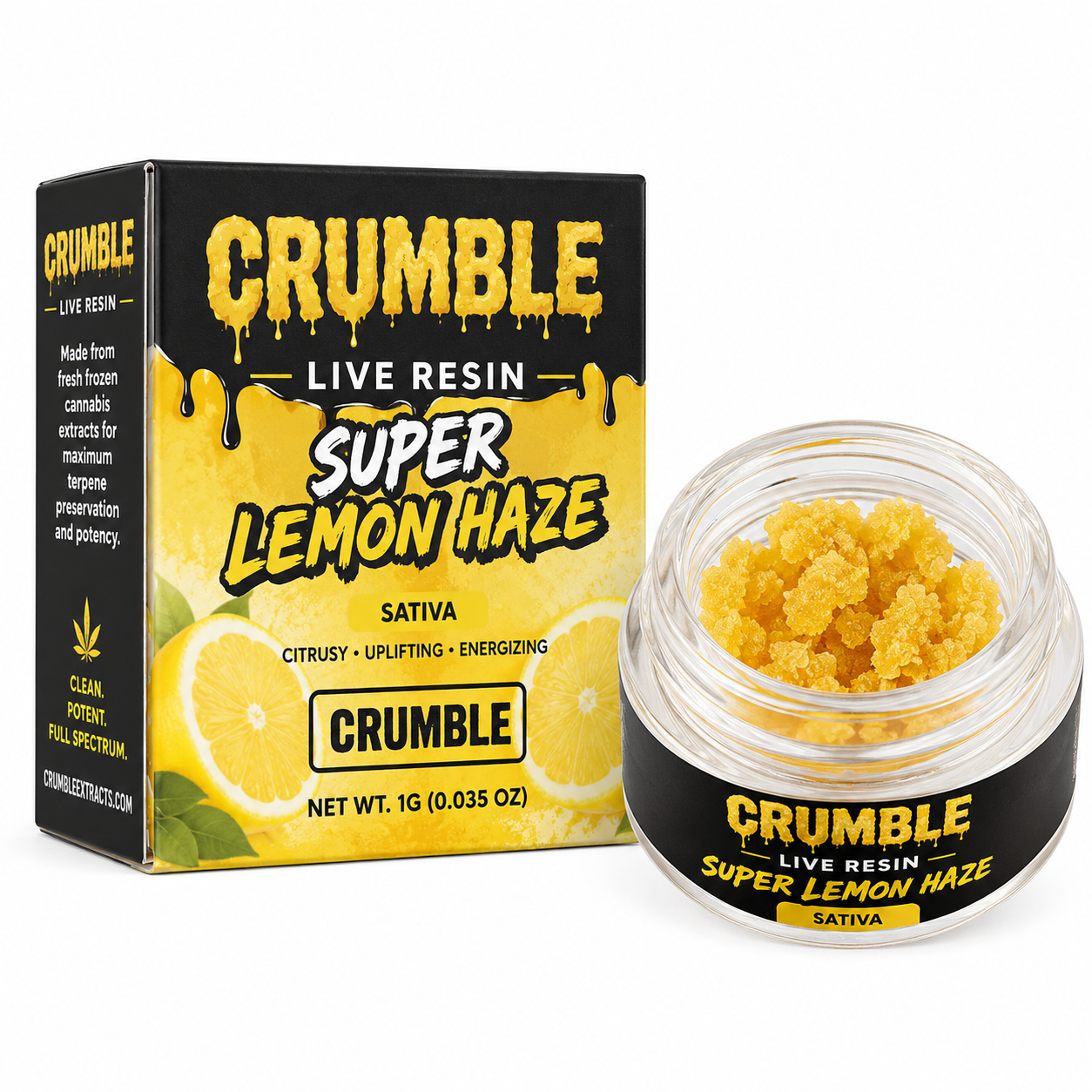
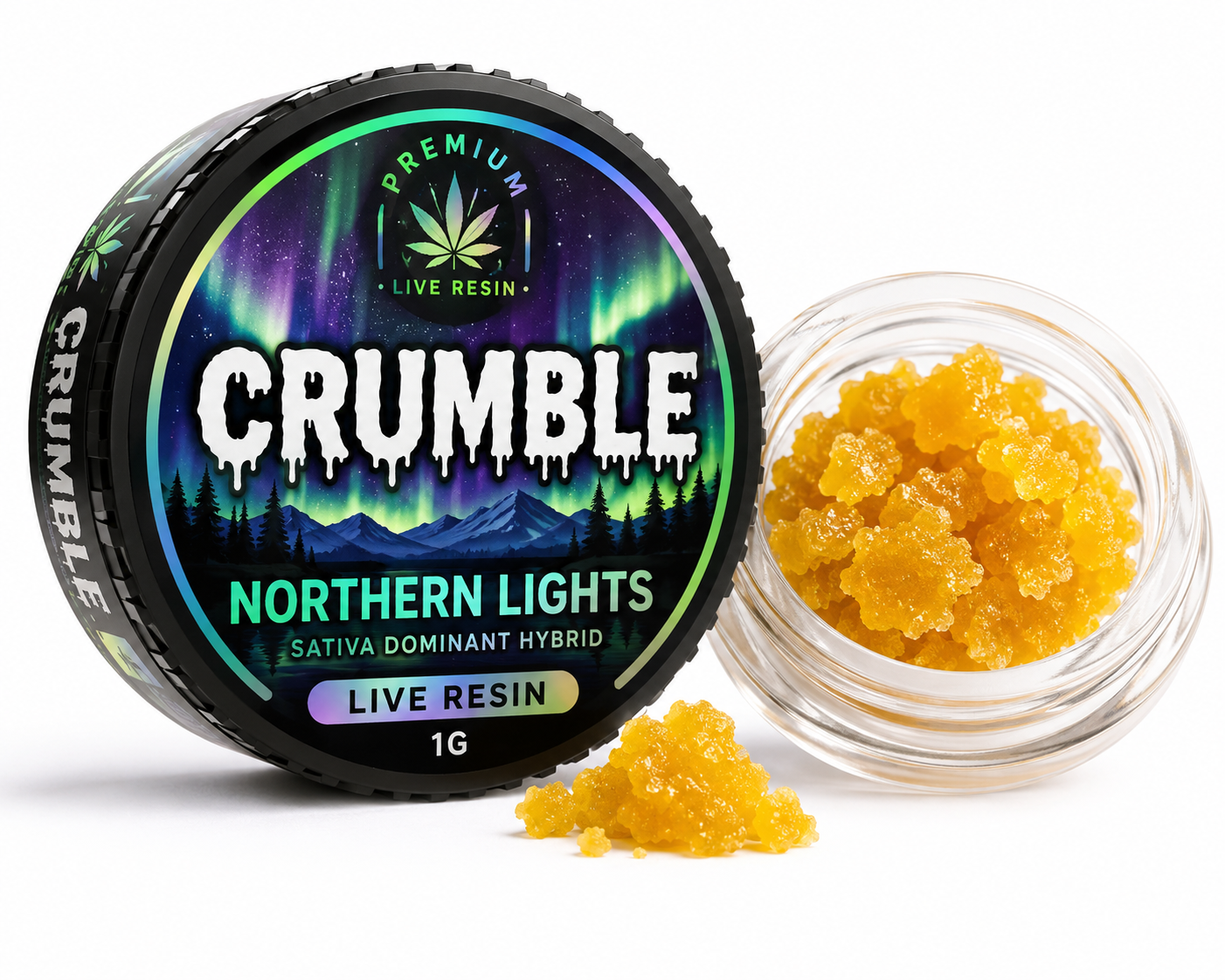
CRUMBLE LIVE RESIN
Crafted by flash-freezing freshly harvested plants, then carefully extracting cannabinoids and terpenes to preserve maximum flavor and aroma
Rich Flavor Profile
flavor closely reflects the original plant's terpene profile
Small Batch Quality
Every batch is carefully crafted for consistency and flavor.
Premium Flower
We start with exceptional flower to produce exceptional rosin.
Terpene Rich
Maximum flavor, aroma, and purity.
Crumble Live Resin for Sale
Checkout our categories
Our Flavor Profile
🍊 Fruity & Tropical Flavors
Rich fruit-forward terpene profiles with bright sweetness
⛽ Gas, Diesel & Fuel Flavors
Powerful terpene profiles dominated by gassy, pungent aromas
🍋 Citrus & Sour Flavors
Bright, zesty terpene profiles dominated by limonene
🌲 Earthy, Herbal & Pine Flavors
Natural forest-like aromas with woody and herbal characteristics
🍪 Dessert, Cream & Bakery Flavors
Rich dessert-inspired cultivars with creamy, pastry-like profiles
our Products
Featured Products
-

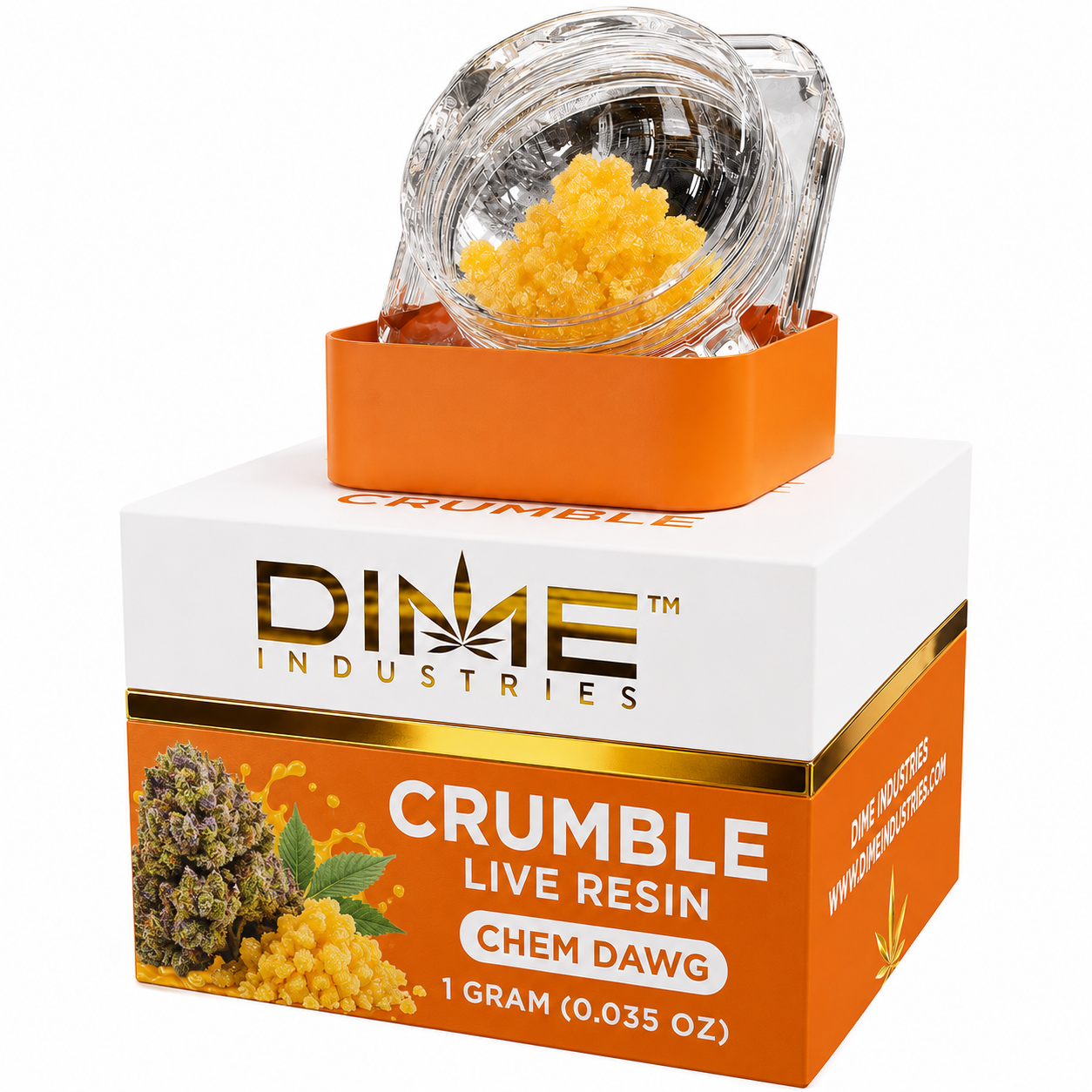
Crumble Live Resin – Chemdawg
$25.00 – $500.00Price range: $25.00 through $500.00Select options This product has multiple variants. The options may be chosen on the product page -

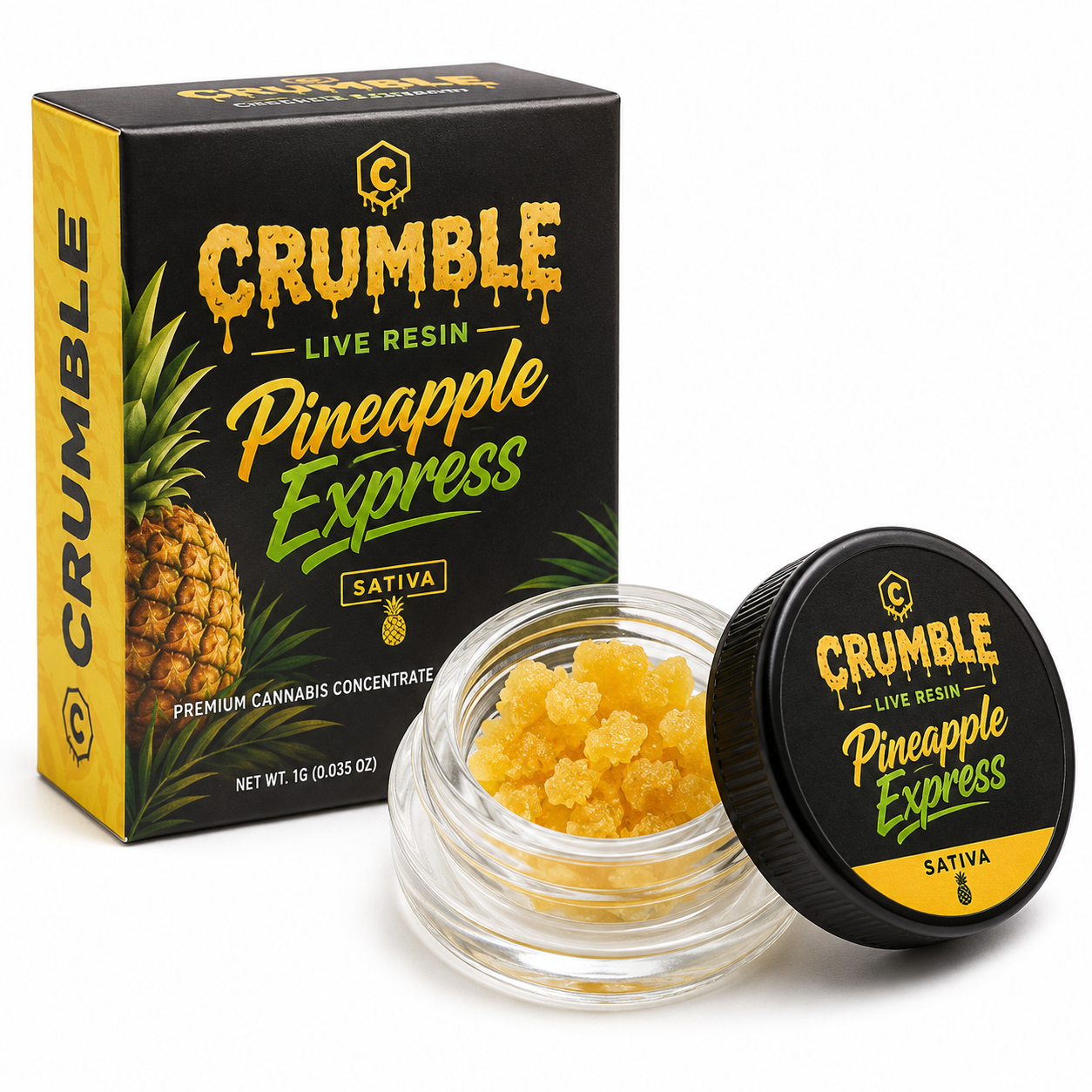
crumble live resin – pineapple express
$25.00 – $500.00Price range: $25.00 through $500.00Select options This product has multiple variants. The options may be chosen on the product page -

Crumble Live Resin Banana Kush
$25.00 – $500.00Price range: $25.00 through $500.00Select options This product has multiple variants. The options may be chosen on the product page -

Crumble Live Resin Biscotti
$25.00 – $500.00Price range: $25.00 through $500.00Select options This product has multiple variants. The options may be chosen on the product page
Guide to Buying Crumble Live Resin For Sale Today And Understanding What It Feels Like From When You Pop Open A Jar
I’ve been dabbing concentrates for a long time now. Long enough to remember when “live resin” wasn’t even a common word yet, and long enough to watch crumble go from a niche texture to something you see on almost every menu. 🍯
So when people search “crumble live resin for sale,” I get why. They want something that tastes like the actual plant, not a chemistry set. They want potency, sure, but they also want flavor that hits like the strain name promises. And honestly, most buying guides online don’t explain this stuff the way a friend would over the phone. They throw jargon at you and call it a day.
I’m not going to do that here. I’m going to walk you through everything I’ve learned from years of buying, dabbing, storing, and yes, wasting money on bad crumble live resin. By the end, you’ll know exactly what to look for when you search for crumble live resin for sale, how to spot the good stuff, and how to avoid getting burned (pun kind of intended).
This is a long guide. I’m covering what crumble live resin actually is, how it’s made, how it compares to every other concentrate type you’ll see on a menu, how to store it, how to dab it, what terpenes actually do, the science behind fresh frozen flower, common problems people run into, and the legal stuff you need to know right now in 2026. Grab a coffee. Or load up a dab. Let’s get into it. 🔥

What Is Crumble Live Resin? (The Real Explanation)
Let’s start simple. Crumble live resin is a cannabis concentrate that combines two separate ideas: a production method (live resin) and a texture (crumble).
Live resin means the cannabis plant was frozen right after harvest instead of being dried and cured first. That’s the whole trick. Normal cannabis flower gets cut, hung to dry, then cured in jars for weeks. That process is great for smoking flower, but it’s rough on terpenes. Terpenes are the aromatic oils that give weed its smell and flavor, and they’re fragile. Heat, light, and time break them down. So if you freeze the plant right after it’s cut, you lock in way more of that original smell and taste before it has a chance to fade.
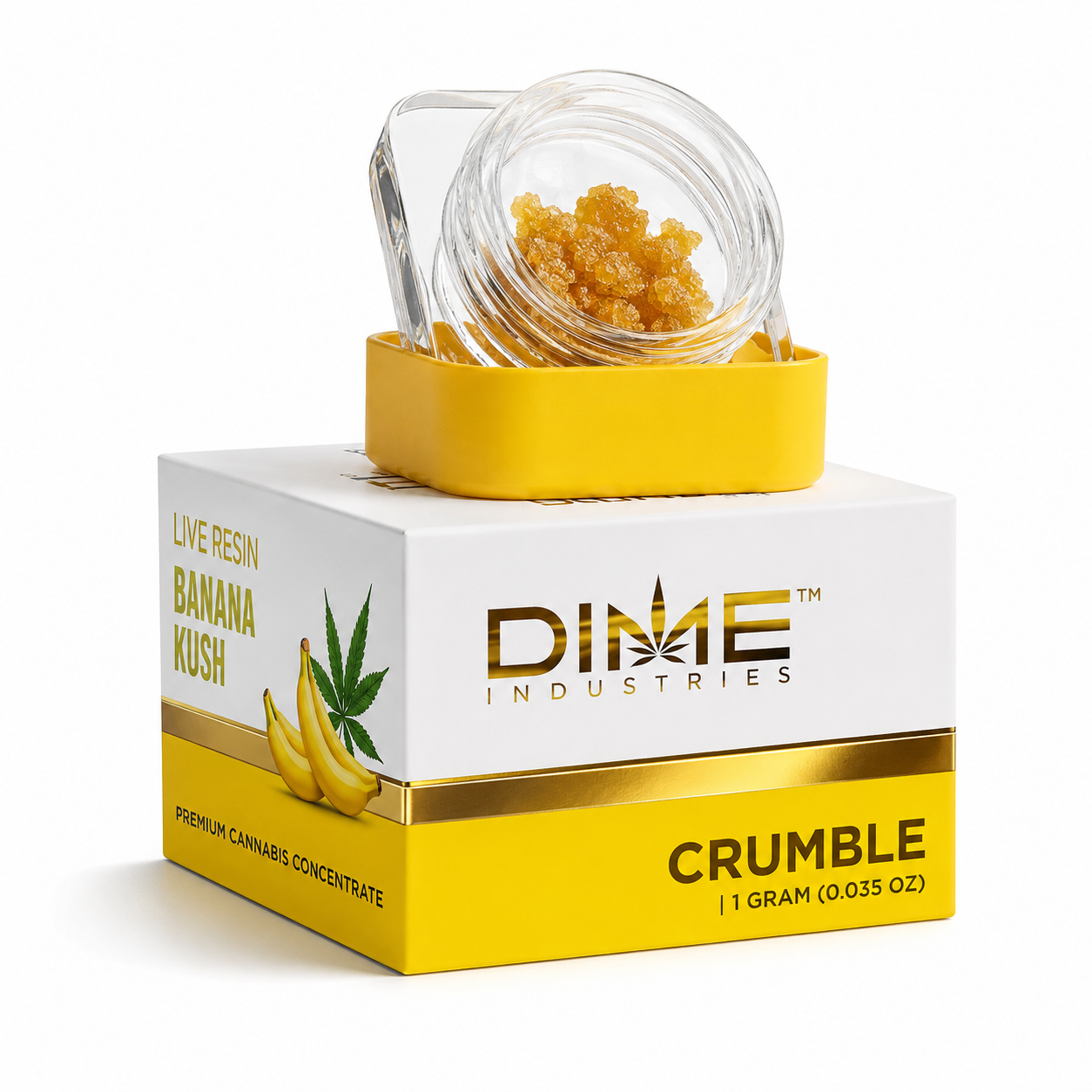
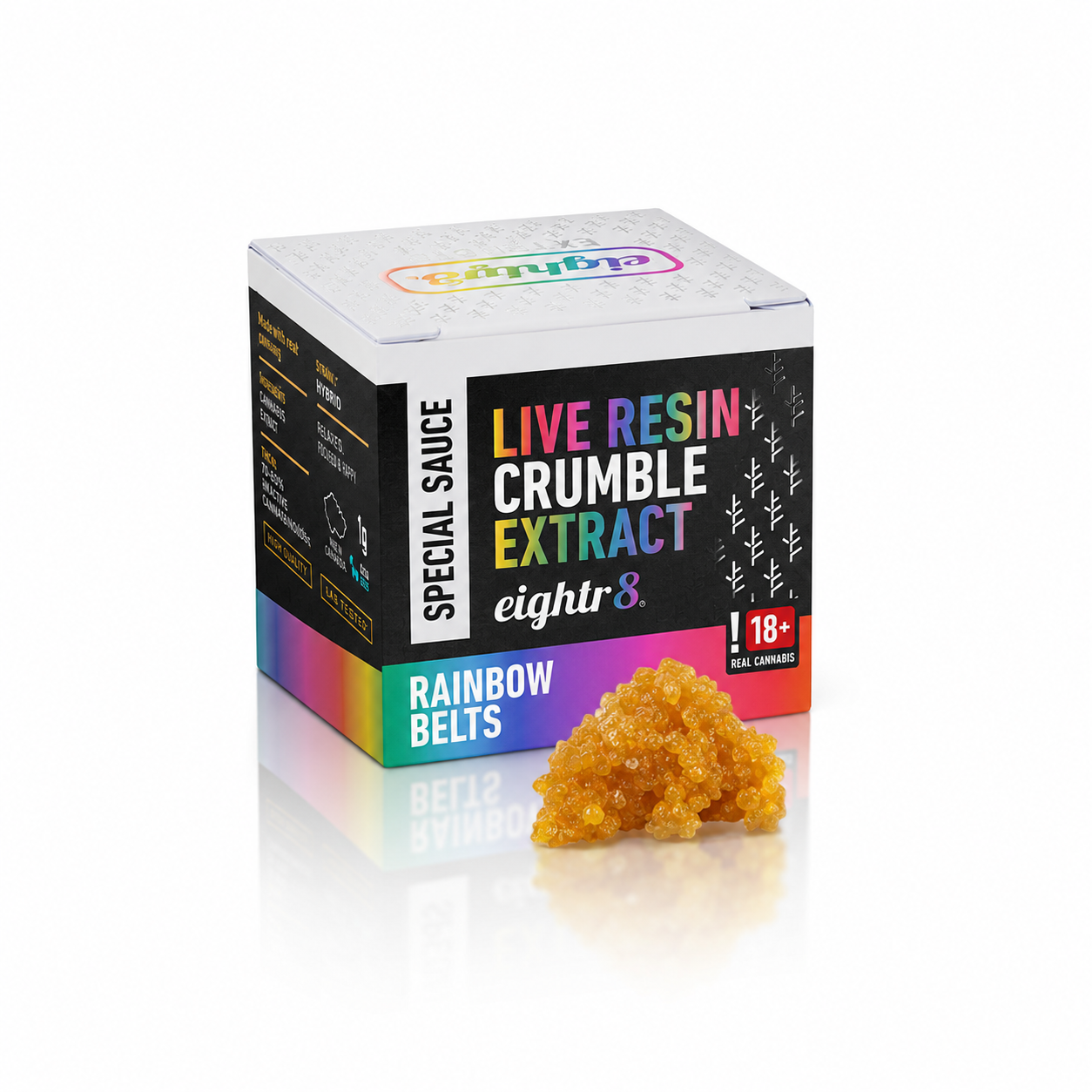
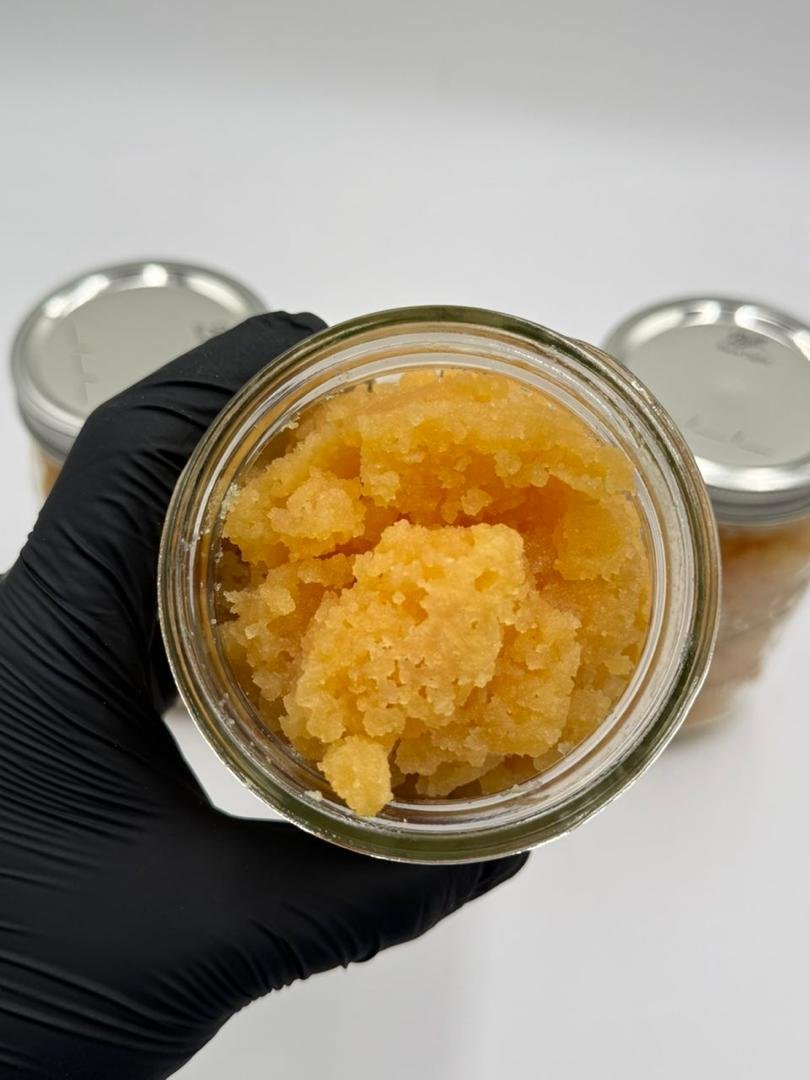
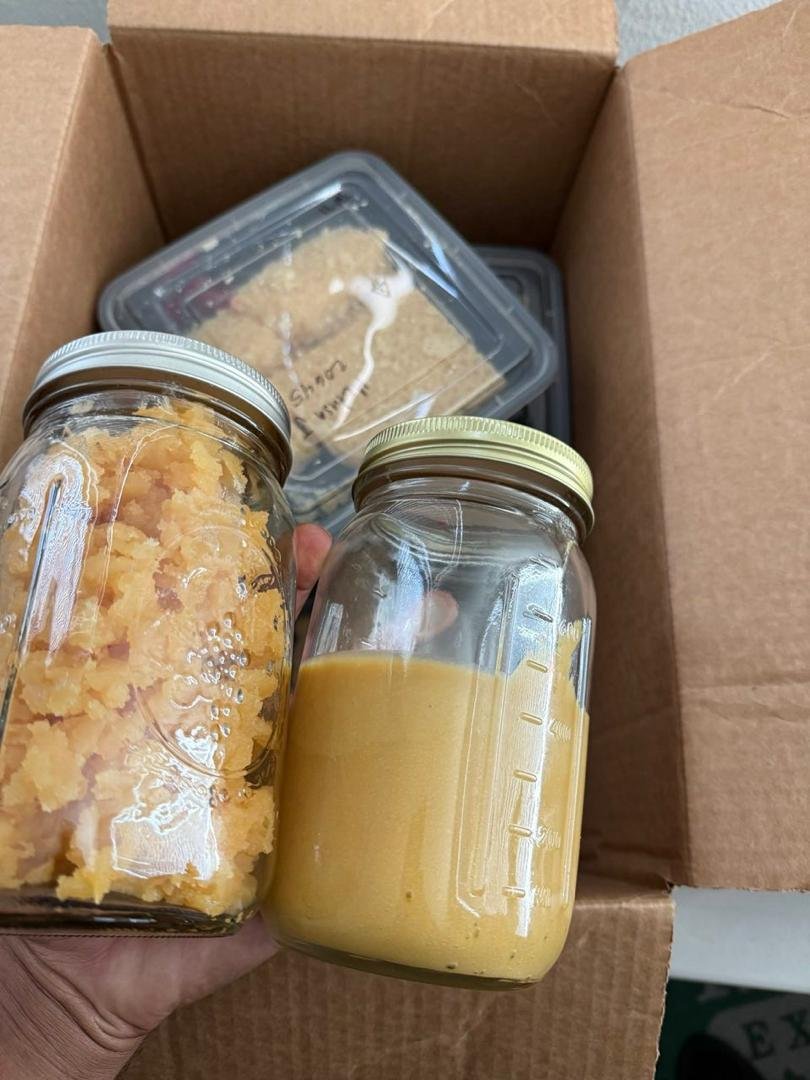
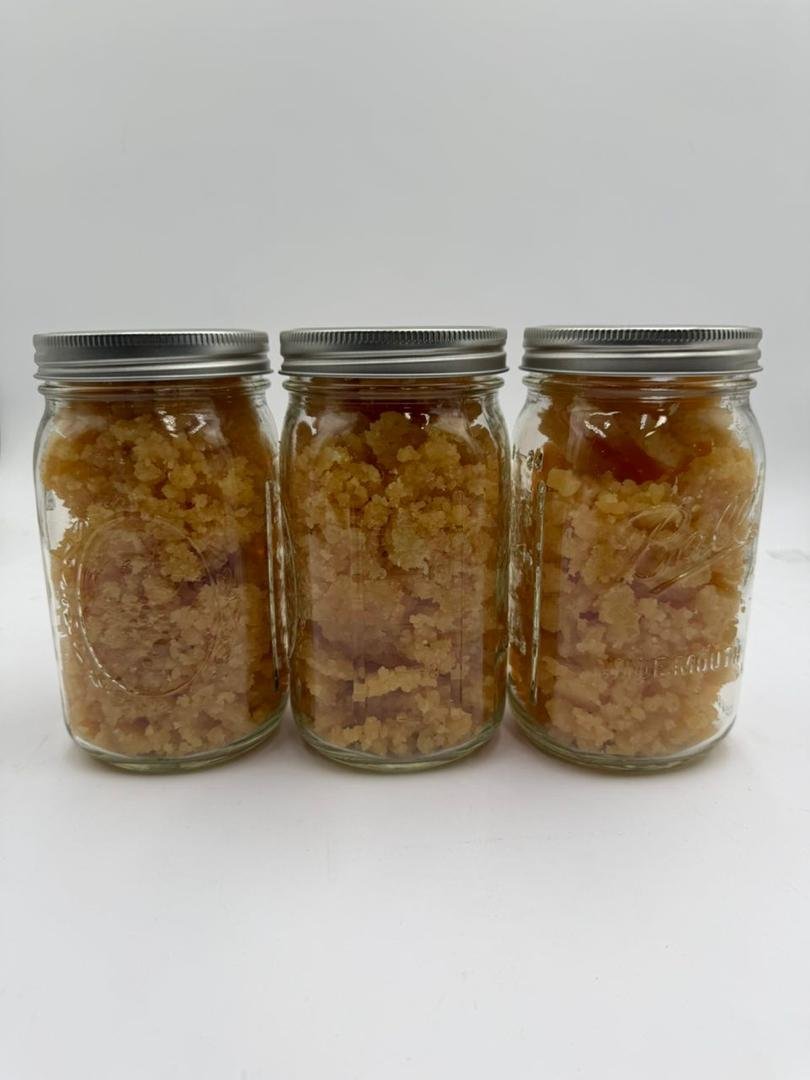
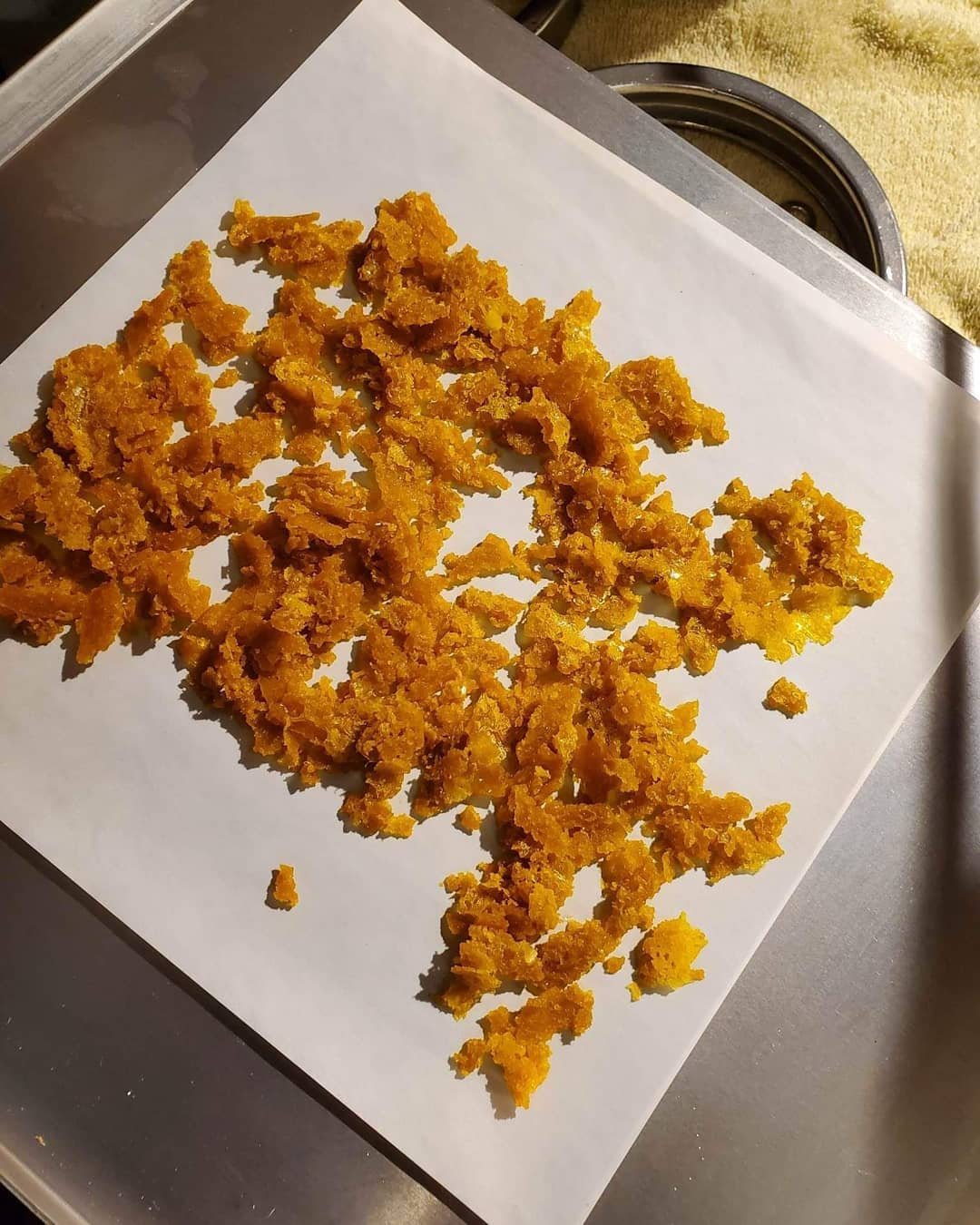
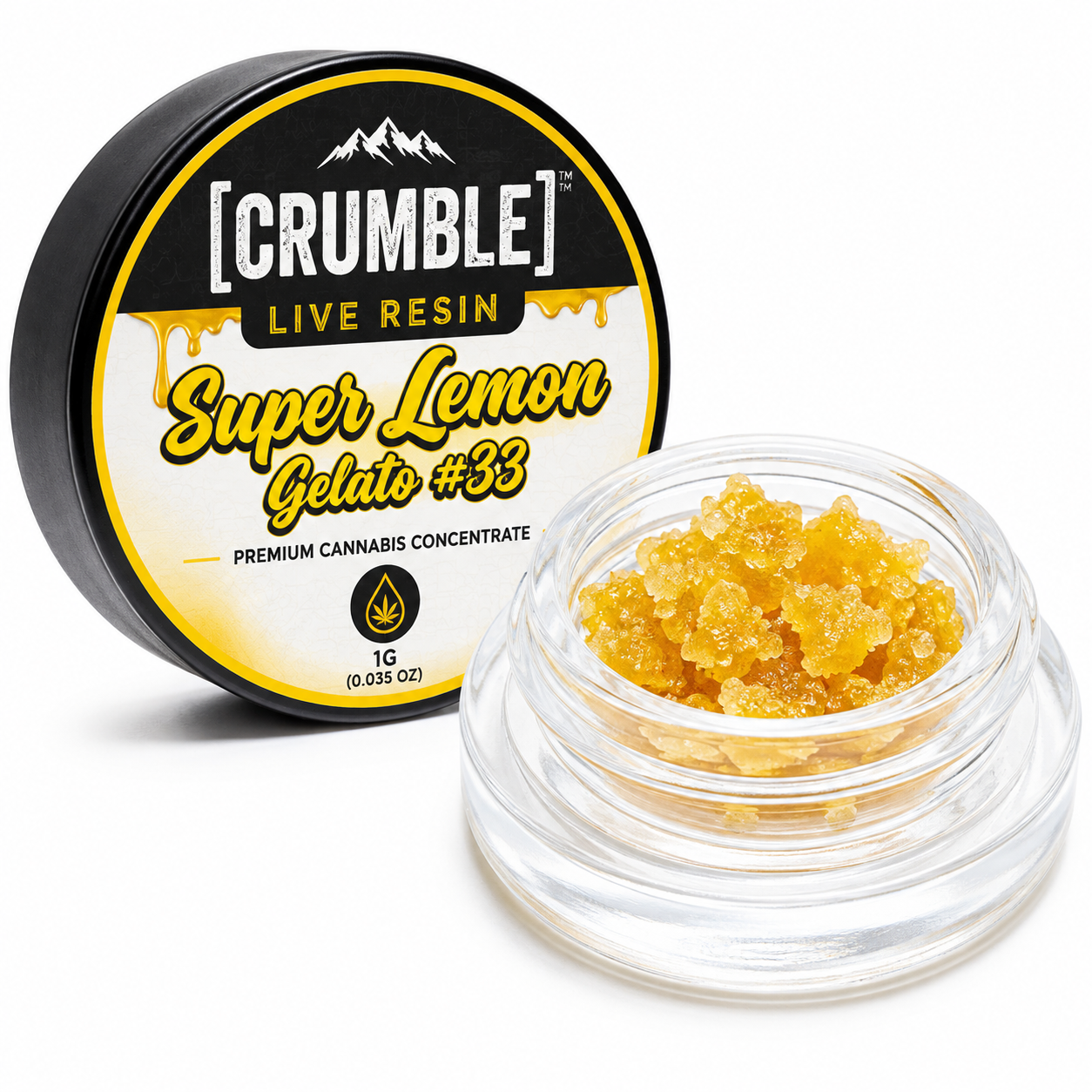
Crumble is just the texture of the final product after it’s extracted and purged. It’s dry, crumbly, and honeycomb-like. You can break it apart with a dab tool without it sticking to everything the way sauce or badder does.
Put those two together and you get crumble live resin: a concentrate made from fresh frozen cannabis, extracted with a solvent (almost always butane, propane, or a blend), then purged and whipped into a dry, crumbly texture instead of a sticky sauce or soft badder.
Why do people like it? A few reasons. It’s easy to handle. You can break off a piece with a dab tool and not get any on your fingers. It doesn’t melt into a puddle on hot days like sauce sometimes does. And it still carries a lot of the flavor and aroma that live resin is known for, even though the texture is drier than sauce or sugar. It’s kind of the beginner-friendly, low-mess entry point into the live resin world. 👍
If you’re shopping for crumble live resin for sale online or at a shop, know that you’re looking at a specific combination: fresh frozen starting material, hydrocarbon extraction, and a dry, crumbly finish. That’s different from live resin badder, live resin sauce, or plain old cured resin wax. I’ll break down all those differences later in this guide.
How Is Crumble Live Resin Made?
I think understanding the process actually helps you shop smarter. Once you know what goes into making it, you know what questions to ask a seller and what red flags to watch for.
Step one: harvest and freeze. The plant gets cut down and frozen almost immediately, sometimes within an hour or two. Extractors use deep freezers or dry ice to get the material down to very cold temperatures fast, often colder than negative 40 degrees Fahrenheit. This locks the trichomes (the tiny, sticky, mushroom-shaped glands where all the good stuff lives) in place before they degrade.
Step two: extraction. The frozen material goes into a closed loop hydrocarbon extractor. This machine passes a solvent, usually butane, propane, or a blend of the two, through the frozen plant material. The solvent dissolves the cannabinoids and terpenes and carries them out of the plant. A 70/30 propane to butane blend is common for live resin because propane has a lower boiling point and tends to pull more terpenes out during extraction. This whole process happens inside a sealed system so the flammable gas never touches open air. That’s important for safety. Amateur “open blasting” without a closed loop system is dangerous and has caused real fires and injuries, which is exactly why licensed extraction happens in sealed, code-compliant equipment instead.
Step three: purging. After extraction, the raw oil still has solvent trapped inside it. It goes into a vacuum oven where heat and low pressure slowly pull that solvent out. This step has to be done carefully. Too much heat and you cook off the terpenes you worked so hard to preserve. Too little purge time and you end up with residual solvent left in the final product, which is exactly what lab testing is supposed to catch.
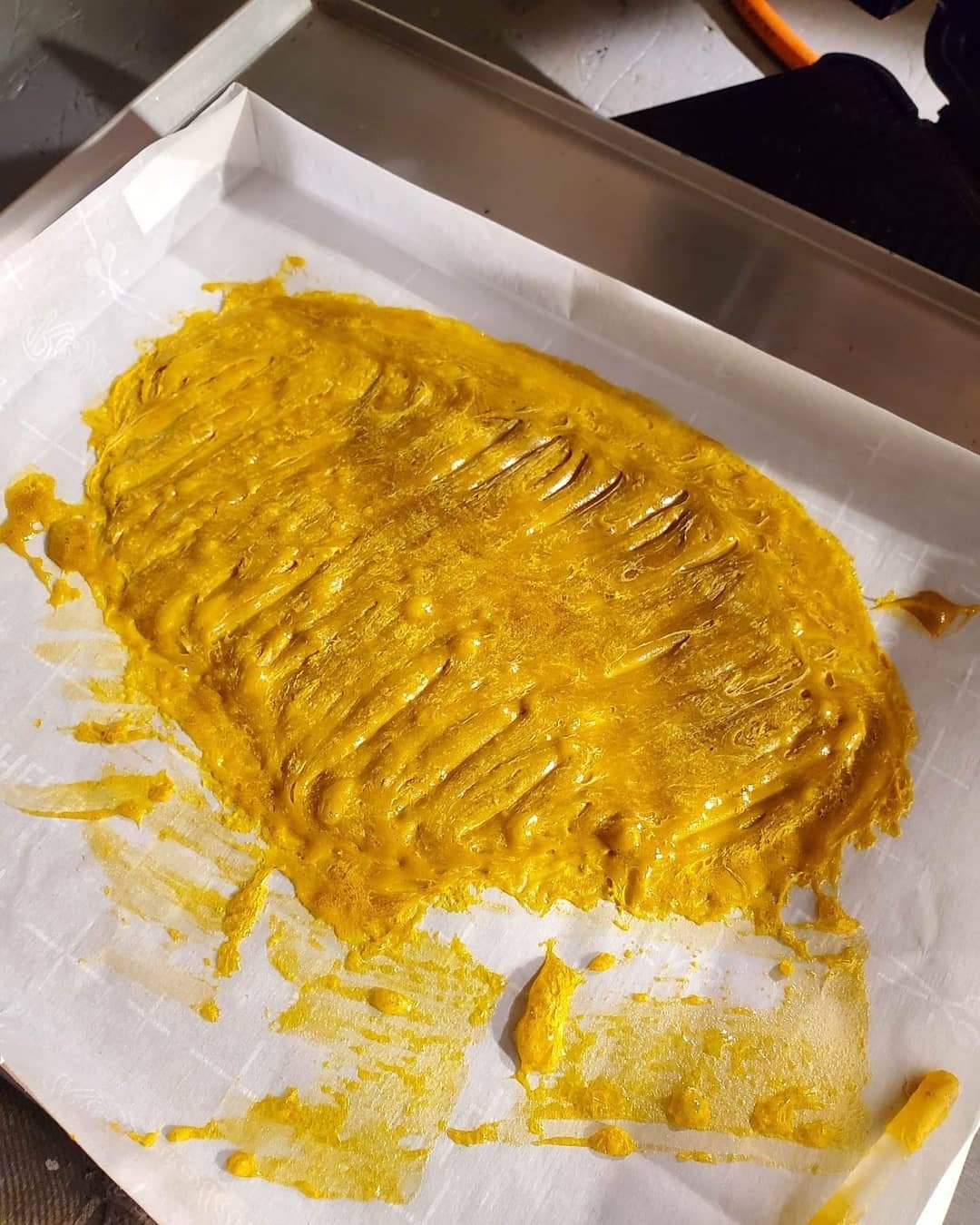
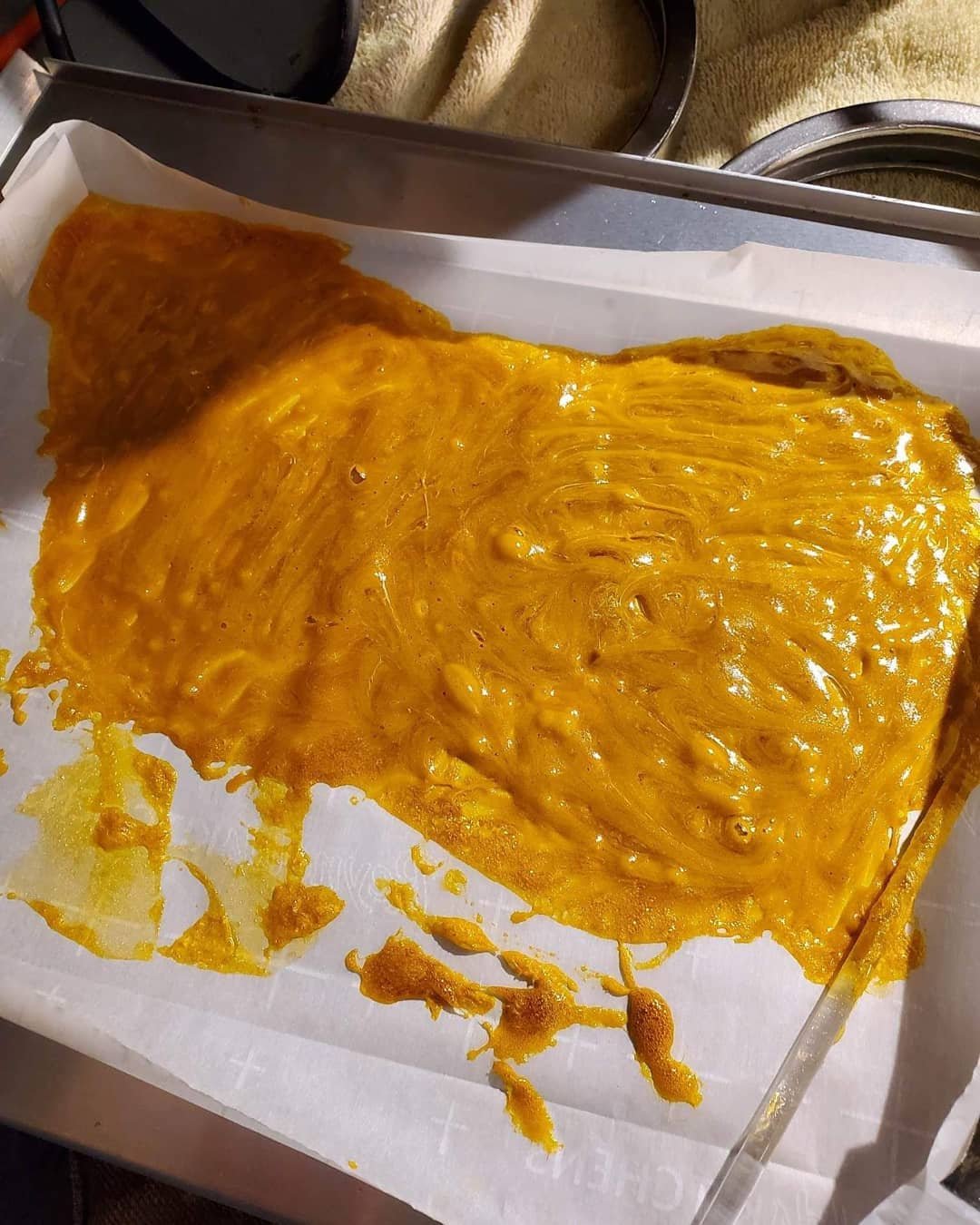
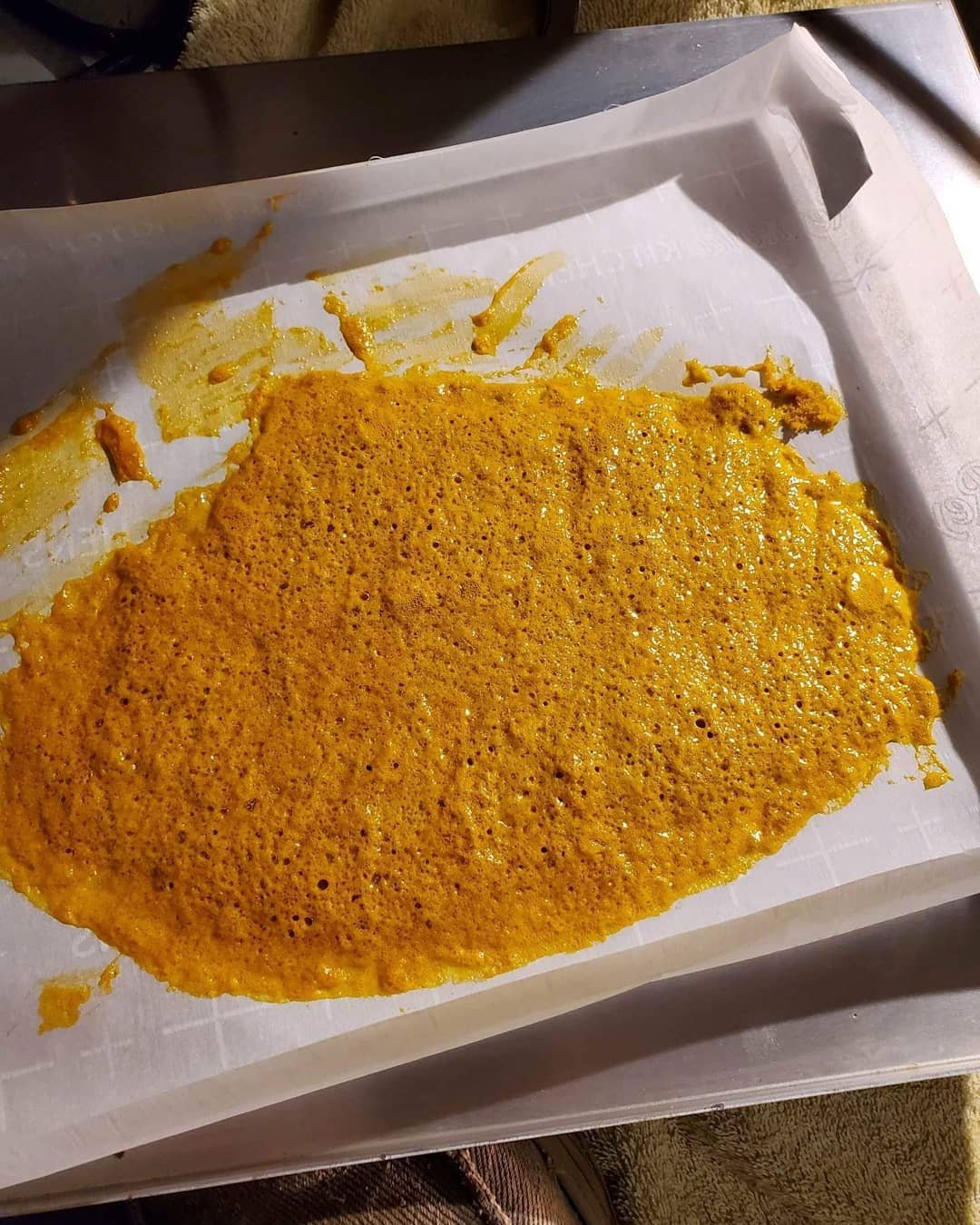
Step four: whipping into crumble. Once purged, the extractor works the oil, usually through temperature control and agitation, until it turns into that dry, crumbly, honeycomb texture. This is different from badder, which gets whipped into a smoother, creamier consistency, or sauce, which gets left runny on purpose so the terpenes stay separated and visible.
Step five: testing and packaging. A legitimate batch goes to a third party lab before it ever reaches a shelf. That lab checks potency, terpene content, and screens for pesticides, heavy metals, microbial contamination, and residual solvents. I’ll go deep on how to read those results later, because honestly, this is the single most important step for you as a buyer.
None of this is mysterious or secretive. Good producers are usually happy to explain their process because it makes them look good. If a seller can’t tell you whether their crumble live resin was made with butane, propane, or a blend, that’s a small yellow flag worth noting.
Crumble vs Live Resin: Wait, Aren’t They the Same Thing?
This trips people up constantly, so let’s clear it up. 🧐
“Live resin” describes the starting material and the freezing process. “Crumble” describes the final texture. They’re not competing categories. Crumble can be made from live resin (fresh frozen flower) or from regular cured resin (dried and cured flower).
So when you see “crumble live resin for sale,” that’s telling you two things at once: it’s crumble texture, and it was made from fresh frozen material instead of dried flower. If you just see “crumble” with no mention of live resin, it might be made from cured flower, which usually means less terpene content and a flatter smell and taste.
Here’s a simple way to remember it. Live resin is the “how.” Crumble is the “what it looks like when you open the jar.” You can have live resin sauce, live resin badder, live resin sugar, and live resin crumble. All of them start from the same fresh frozen process, they just get finished differently after extraction.
Live Resin vs Rosin: Solvent vs Solventless
This is probably the biggest fork in the road for concentrate shoppers. Live resin uses a chemical solvent (butane or propane) to pull the oil out of the plant. Rosin uses zero solvent. It’s made with heat and pressure alone, squeezing the oil straight out of fresh frozen flower or bubble hash between heated plates.
Neither one is automatically “better.” They’re just different tools for different priorities.
Live resin tends to have a stronger, more consistent yield, which usually means better pricing for the consumer. It’s also incredibly versatile. The same batch can be dabbed, put into a vape cartridge, or infused into edibles.
Rosin skips solvents entirely, which appeals to people who want the cleanest possible extraction method. It also tends to be more expensive because the yield is lower and the process is more labor intensive.
Flavor wise, it’s honestly close, and a lot depends on how skilled the extractor is rather than which method they used. I’ve had incredible live resin and mediocre rosin, and I’ve had it the other way around too. If purity of process matters most to you, go rosin. If you want strong flavor with more product for your money, live resin (including crumble live resin) is usually the better value.
Live Resin vs Wax
Wax is one of the oldest concentrate textures around, and it’s usually made from dried, cured flower rather than fresh frozen material. That’s the biggest difference. Because wax skips the fresh frozen step, it typically has a flatter, less vibrant terpene profile than live resin.
Texture wise, wax and crumble can actually look pretty similar. Both can be dry and opaque. But wax made from cured flower just won’t smell or taste as loud as crumble live resin made from fresh frozen flower. If you’ve tried wax and thought “this is fine but kind of boring,” live resin crumble is probably going to feel like a big step up.
Live Resin vs Shatter
Shatter is the glass-like, translucent concentrate that snaps like a hard candy. It’s usually made from cured flower using a purging process designed for stability rather than terpene preservation.
The appeal of shatter is mostly visual and practical. It’s easy to portion, it doesn’t get sticky, and it looks impressive in a jar. But because most shatter comes from cured flower and goes through a longer, more static purge, it tends to lose a chunk of its terpene content along the way. Live resin, especially crumble, usually smells and tastes noticeably stronger side by side with shatter from the same strain.
Live Resin vs Diamonds
Diamonds (sometimes labeled THCA crystalline) are pure THCA crystals that form when cannabinoids are separated out and allowed to “re-mine” into a crystal structure. They’re extremely potent, often north of 90 percent THCA, but on their own they’re basically flavorless. That’s why diamonds almost always get sold sitting in a pool of terpene sauce.
Live resin crumble is the opposite approach. Instead of separating cannabinoids from terpenes and then adding flavor back in, live resin keeps everything together from the start. If you want maximum raw potency and don’t care much about flavor, diamonds win. If you want a full, balanced experience where the plant’s natural aroma carries through, crumble live resin is the better call.
Live Resin vs Badder
I mentioned this earlier, but it’s worth its own section because people ask about it constantly. Badder (also spelled budder) gets whipped during purging so it ends up with a smooth, cake batter texture. It’s soft, pliable, and very easy to scoop.
Crumble is drier and more textured. Some people find crumble easier to handle because it doesn’t stick to a dab tool the way badder can on a warm day. Others prefer badder because it scoops more consistently and doesn’t crumble into little pieces you have to chase around the jar.
Flavor wise, they’re pretty close if they came from the same fresh frozen batch. It really comes down to which texture you personally like handling more. I’d call this one a coin flip based on preference, not quality.
Live Resin vs Sauce
Sauce is the runniest, most terpene-heavy texture on the menu. It’s left unpurged (or lightly purged) on purpose so you get visible separation between cannabinoid crystals and a pool of liquid terpenes sitting around them. That liquid is basically pure aroma and flavor.
Sauce usually delivers the loudest smell and taste out of any live resin texture, but it’s messy. It clings to dab tools and jar walls, and it takes some practice to scoop cleanly without leaving half of it behind.
Crumble trades a little bit of that peak flavor intensity for a much easier handling experience. If flavor above everything else is your priority and you don’t mind the mess, go sauce. If you want strong flavor without babysitting your dab tool, crumble live resin is the more practical choice.
Live Resin vs Distillate
Distillate is a different animal entirely. It’s a highly refined, usually flavorless or near-flavorless oil that’s been stripped down mostly to cannabinoids alone. Most distillate has terpenes added back in afterward, either cannabis-derived or botanically sourced, to mimic a strain’s flavor.
Distillate is cheap to produce, extremely stable, and shows up everywhere in vape cartridges and edibles because of that consistency. But it’s not trying to be a full-spectrum, terpene-rich product the way live resin is. If you want the “real” flavor of a strain the way it grew in the ground, distillate isn’t really built for that. Crumble live resin is a completely different category built around preserving what the plant actually smelled and tasted like at harvest.
The Buying Guide: How to Actually Shop for Crumble Live Resin for Sale
Okay, this is the part I care about most, because this is where people get burned (financially, not literally, hopefully). Let’s go through what actually separates good crumble live resin from a disappointing jar.
Start With the Flower, Not the Label
I’ll say this over and over throughout this guide because it’s the single most important truth in the whole concentrate world: you cannot make great extract from bad flower. No extraction technique, no fancy branding, no clever marketing copy fixes low quality starting material. If a seller is proud of their crumble live resin, they should be able to tell you what strain it came from and ideally where that flower was grown. Vague labels like “hybrid crumble” with zero strain info are a warning sign.
Check the Color
Good crumble live resin usually runs somewhere between a light golden yellow and a medium amber. Extremely dark, almost brown crumble can point to oxidation, poor quality starting material, or overheating during extraction and purging. That said, some strains naturally press darker than others, so color alone isn’t a perfect test. Use it as one data point, not the whole verdict.
Smell It Before You Trust It
If you’re buying in person, smell the jar before you buy. Good crumble live resin should smell loud and specific to the strain. If it smells muted, generic, or like nothing at all, that’s a bigger red flag than color ever will be. Terpenes are the whole point of “live” resin. If you can’t smell them, something went wrong somewhere in the process.
Look at the Texture Closely
Quality crumble should look dry but not chalky or crumbling into dust. It should break cleanly with a dab tool. If it looks wet, oily, or is sweating on the surface, that can mean it wasn’t purged fully, which increases the odds of residual solvent still being trapped inside.
Read the Actual Lab Report, Not Just the Sticker
I cannot stress this one enough. 🧪 A real Certificate of Analysis (COA) should show:
- Cannabinoid potency, usually THC or THCA percentage, listed by weight
- Terpene profile, showing which terpenes are present and at what percentage
- Pesticide screening, which should say “Pass” or “Not Detected” for every compound tested
- Heavy metals, checking for lead, arsenic, cadmium, and mercury
- Microbial testing, checking for mold, yeast, E. coli, and salmonella
- Residual solvents, which matters most for anything made with butane or propane, since this test confirms the purge actually worked
Match the batch number on the COA to the batch number on your actual product label. This sounds tedious, but it takes ten seconds and it’s the difference between trusting a real test result and trusting a random PDF that could be from any batch, any year.
Why Cheap Crumble Live Resin Isn’t Always a Deal
Live resin extraction is genuinely more expensive to produce than distillate or cured resin. You need premium flower, a cold chain from harvest to extraction, skilled labor, and lab testing on every batch. When you see crumble live resin priced dramatically lower than everything else on a menu, ask yourself why. Sometimes it’s a legitimate sale. Often it means corners got cut somewhere, whether that’s cheap starting flower, an incomplete purge, or skipped testing.
Premium vs Budget: What You’re Actually Paying For
Premium crumble live resin usually reflects better starting flower, more careful temperature control during extraction and purging, and stronger terpene retention. Budget options aren’t necessarily unsafe, assuming they still pass lab testing, but they often come from lower grade biomass or less precise extraction runs. You’re not always paying for a fancier label. A lot of the price difference is genuinely tied to input quality and process control.
How to Spot Fake or Mislabeled Live Resin
The clearest tell is a COA showing decarboxylated cannabinoids (meaning THC instead of THCA as the dominant form) combined with a low terpene percentage. Real live resin made from fresh frozen flower should show cannabinoids mostly in their raw acid form, THCA rather than THC, because that conversion only happens with heat. If a “live resin” product shows a terpene profile under 1 or 2 percent, or the terpene section is missing entirely from the COA, be skeptical of the “live” claim.
Does Expensive Mean Better?
Not automatically. Price correlates with quality on average, but marketing budgets, packaging, and brand reputation all affect price too, separate from what’s actually in the jar. The COA and your own nose are more reliable indicators than the price tag.
Storage and Care: Don’t Waste What You Paid For
You spent real money on something built around flavor and freshness. Storing it wrong undoes all of that effort pretty fast. Here’s what actually works. 🧊
Keep it cold. A refrigerator slows down the chemical reactions that degrade terpenes and cannabinoids. A freezer slows it down even more. If your crumble live resin sits at room temperature in a warm house, it will lose its edge faster.
Keep it dark. UV light breaks down cannabinoids and terpenes surprisingly fast. Even a few hours of direct sunlight can noticeably mute the smell and taste. Store your jar in an opaque container, or at minimum somewhere dark like a drawer or cabinet, not on a sunny windowsill.
Keep it sealed. Oxygen exposure causes oxidation, which changes both texture and flavor over time. Reseal the container every time after you dab, and try to minimize how long the lid stays off.
Watch out for condensation. If you store your jar in the fridge or freezer, don’t open it right away when you take it out. Let it sit for a couple minutes to come up to room temperature first. Opening a cold jar in a humid room can let moisture in, and water plus concentrate equals sizzling, spitting dabs that taste off.
How long does it actually last? Stored properly (cold, dark, sealed), crumble live resin can hold onto most of its potency and flavor for six months to a year. Stored badly (warm, exposed to light, left open), you’ll notice flavor dropping off within weeks. It won’t go moldy or dangerous the way food can, assuming it started clean, but the experience gets noticeably worse over time.
Can it dry out? Yes, especially crumble, since it’s already on the drier end of the texture spectrum. If it starts crumbling into dust instead of breaking into clean pieces, that’s usually a sign of moisture loss and terpene loss happening together.
Can it mold? It’s rare, but not impossible, especially if moisture gets introduced through condensation or if the batch wasn’t cured properly to begin with. If you ever see fuzzy spots or a texture change that looks off, don’t dab it. Trust your eyes on this one.
Traveling with it? Keep it in its original sealed container, avoid direct sunlight in a hot car, and check your local laws before crossing state lines. This matters more in 2026 than it used to, and I’ll get into why in the legal section below.
How to Actually Dab and Consume Crumble Live Resin
There’s more than one way to use this stuff, and picking the right method changes your whole experience.
Dabbing: The Classic Method
Most people dab crumble live resin using a rig with a quartz or titanium banger. Temperature matters a lot more than people realize when they start out.
Low temp dabs (roughly 450 to 550 degrees Fahrenheit) preserve way more of the terpene profile. You get smoother hits, more flavor, and less harshness. This is where most experienced dabbers land once they’ve tried both ends of the spectrum.
High temp dabs (600 degrees and up) produce thicker, more immediate clouds and a faster, more intense hit, but you burn off a lot of the flavor and put more wear on your quartz. Go too far past 700 degrees and you risk cracking the banger entirely, plus you’re basically just combusting your concentrate instead of vaporizing it cleanly.
If you’re using a torch, a common routine is heating your banger until it glows slightly, then letting it cool for 30 to 60 seconds before loading your dab. If you want more consistency without guessing, an e-rig with digital temperature control removes the guesswork completely. A carb cap also helps a lot, since it traps heat and helps everything vaporize evenly instead of half burning on contact.
Quartz and titanium heat a little differently, by the way. Titanium holds heat more aggressively, so if you’re used to 500 degrees on quartz, you might want to drop closer to 470 on titanium to land in a similar spot.
Vaping It
Some vape devices are built to handle loading concentrate directly, giving you portability without needing a full rig and torch setup. This is a solid option if you want something more discreet or easier to carry around.
Topping Flower
A lot of people (myself included, more often than I probably should admit) crumble a small piece onto a bowl of flower or fold it into a joint. It boosts potency and adds a flavor layer without needing a dedicated dab setup. Just go easy the first few times. It hits harder than flower alone.
How Much Should Beginners Use?
Start with a piece roughly the size of a grain of rice. Seriously, that small. Concentrates can run anywhere from 70 to 90 percent THC or THCA, which is a completely different ballpark than flower. You can always take another dab. You can’t undo one that hit harder than you expected.
Why Terpenes Actually Matter (And What Each One Does)
Terpenes are the aromatic oils responsible for smell and taste in cannabis, and they’re also a big part of what makes crumble live resin different from cheaper alternatives. Here’s a quick rundown of the big ones you’ll see on a COA. 🌿
Myrcene smells earthy and musky, kind of like cloves. It’s one of the most common terpenes in cannabis and shows up a lot in heavier, more relaxing strains.
Limonene smells bright and citrusy, like lemon or orange peel. People often associate it with a lighter, more uplifted feeling.
Caryophyllene smells spicy and peppery. It’s actually unique among terpenes because it can interact with the body’s endocannabinoid system in its own right, separate from THC.
Pinene smells like pine trees, unsurprisingly. Some people say it helps offset the short term memory fog that can come with THC, though that’s more anecdotal than proven fact.
Humulene has an earthy, hoppy smell, the same compound that gives beer some of its aroma. It shows up a lot in strains people describe as grounding.
Ocimene brings a sweet, herbal, sometimes fruity note and shows up more in energizing, daytime strains.
Terpinolene is complex, with piney, floral, and citrus notes all at once. It’s less common than the others but adds a lot of dimension when present.
When you’re comparing two jars of crumble live resin from the same strain, the terpene percentage on the COA tells you a lot about how loud that jar is actually going to smell and taste. Higher total terpene percentage generally means a more intense sensory experience, though the specific ratio between terpenes matters just as much as the total number.
The Cannabis Science Behind “Fresh Frozen” and Why It Actually Matters
I want to slow down here because this is the part that actually explains why live resin exists as a category in the first place.
Fresh Frozen Explained
When cannabis is harvested, it needs to be either dried and cured, or frozen, pretty quickly. Fresh cut plant material is full of moisture and still metabolically active in some ways. If you freeze it fast, usually within an hour or two of cutting, and keep it at very cold temperatures (often colder than negative 40 degrees Fahrenheit) all the way through extraction, you dramatically slow down the natural degradation of terpenes that would normally happen during weeks of drying and curing.
THC vs THCA: The Detail Almost Nobody Explains Well
Raw cannabis doesn’t actually contain THC in its psychoactive form. It contains THCA, a non-intoxicating acid form. THCA only converts into THC when it’s heated, through a process called decarboxylation, which is exactly what happens when you dab, smoke, or vape it.
This matters for spotting authentic live resin, actually. Because live resin skips the drying and curing steps (and the light heat exposure that comes with them), a real live resin COA should usually show cannabinoids mostly in their raw THCA form rather than already converted THC. If a “live resin” product’s lab report shows mostly THC instead of THCA, that can be a sign the material went through more heat or processing than the live resin label suggests.
The Entourage Effect
This is the theory that cannabinoids and terpenes work better together than any single compound works alone. It’s why full spectrum products like crumble live resin, which preserve the plant’s natural mix of compounds, tend to feel more complex and “whole” compared to isolated THC products like distillate.
Trichomes: Where All of This Actually Comes From
Trichomes are the tiny, mushroom-shaped glands covering the surface of cannabis flowers. Under a microscope they look almost crystalline. They’re where the plant produces and stores nearly all of its cannabinoids and terpenes. When you press or extract cannabis, you’re essentially harvesting the contents of these trichomes. Frozen trichomes stay more intact and less degraded than trichomes that went through weeks of drying, which is the whole biological reason fresh frozen material produces a stronger terpene profile in the first place.
Troubleshooting: Common Problems With Crumble Live Resin
Why is my crumble dry and crumbling into powder? This usually points to moisture loss over time, often from storage in a warm or unsealed environment. It can also mean the batch was over purged during production.
Why did my crumble turn darker over time? Oxidation. Air exposure and light both cause color to shift toward darker brown or amber over weeks and months. It’s not necessarily unsafe, but it does mean flavor and potency have likely dropped.
Why does it lose flavor so fast? Heat, light, and air exposure are the three enemies of terpenes. If you’re noticing flavor fade quickly, check your storage setup first. That’s usually the culprit, not the product itself.
Why is my crumble sticky instead of dry? This can mean it wasn’t purged long enough during production, or that it’s picked up humidity from your storage environment. Sticky, tacky crumble sometimes means residual solvent didn’t fully clear, which is exactly why checking the COA for residual solvent results matters so much.
Can old crumble live resin still be used? If it’s been stored reasonably well and doesn’t show mold, a rancid smell, or an unusual texture change, it’s typically still fine to use, just with less flavor and slightly reduced potency than when it was fresh.
Lab Testing Results From Real Users: What You Actually See Once You Start Checking
Here’s something I started doing years ago that changed how I shop completely. I stopped just glancing at the potency number on the front of the label and started actually opening the full lab report every single time. Once you start doing this across a bunch of different brands and batches, patterns show up fast.
The Terpene Number Gap
One thing that jumps out immediately once you compare COAs side by side is how much the terpene percentage varies between products that all claim to be “live resin.” I’ve seen batches labeled live resin crumble come back with total terpenes under 1 percent, and I’ve seen others from a completely different seller hit 4 or 5 percent for a similar strain. That’s a massive difference in what you’re actually going to taste and smell, even though both jars used the same marketing language on the label
When I’ve come across “live resin” batches where the COA shows mostly THC instead of THCA, that’s usually told me the material went through more processing or heat exposure than the live resin label implied. It doesn’t automatically mean the product is bad. It just means the “live” claim might be more marketing than reality for that particular batch.
Pass Results Aren’t All Equal
Almost every COA I’ve checked shows a “Pass” on pesticide and microbial screening, because products that fail those tests usually don’t make it to market, or at least shouldn’t. But “Pass” doesn’t tell you the whole story by itself. I’ve learned to check the actual numbers next to each result, not just the pass or fail label, because some labs report results closer to the legal limit while others come back essentially undetectable. Both technically pass. They’re not the same level of clean.
Residual Solvent Checks Matter More Than People Realize
Since crumble live resin is made using butane, propane, or a blend, the residual solvent panel on the COA is one I always check closely. A properly purged batch should show solvent levels well below the regulatory action limit, often reported as “ND” for not detected. I’ve seen a small number of batches over the years come back with detectable solvent that was technically under the legal limit but still present. That’s not automatically dangerous, but it did change how I felt about that particular seller’s purging process going forward.
Batch Numbers Don’t Always Match
This is a smaller thing, but it matters. More than once, I’ve pulled up a COA linked from a product page and noticed the batch number on the report didn’t match the batch number printed on my actual jar. Sometimes that’s a simple mistake. Sometimes it means the seller is showing you a good COA from a different, better tested batch instead of the one you’re actually holding. Either way, it’s worth double checking every time, especially with a new seller you haven’t ordered from before.
The Detailed Lab Testing Explanation: How to Actually Read a COA
Let’s slow down here, because this is genuinely the most important skill in this whole guide. A Certificate of Analysis, or COA, is a report from a third party lab confirming what’s actually in your product and whether it’s safe. Here’s how to read one properly, section by section. 🧪
Section One: Cannabinoid Potency
This section lists every cannabinoid the lab tested for, usually including THCA, Delta-9 THC, CBD, CBG, and sometimes minor ones like THCV or CBN. For concentrates, results are usually shown as a percentage of total weight or in milligrams per gram.
What to check: does the total cannabinoid percentage roughly match what the seller advertised on the label? A small difference is normal, since lab results can vary slightly batch to batch. A huge gap, like a jar advertised at 85 percent that tests at 60 percent, is worth questioning.
Section Two: Terpene Profile
This lists individual terpenes and their percentages, things like myrcene, limonene, caryophyllene, and pinene. Not every COA includes this section, since terpene testing is sometimes optional depending on the state or lab. If a product is specifically marketed as “high terpene” or “live resin,” I want to see this section included, and I want the total terpene percentage to actually back up that claim.
Section Three: Pesticide Screening
This checks for a long list of chemical pesticides that could have been used during cultivation. A clean result shows “ND” (not detected) or “Pass” next to each compound tested. Any pesticide detected above the legal action limit should be treated as a hard stop. Don’t use that product.
Section Four: Heavy Metals
Cannabis plants absorb metals from the soil they’re grown in, so this section checks for lead, arsenic, cadmium, and mercury. Results should show levels well below the established safety limits, or a clear “Pass” designation.
Section Five: Microbial Contaminants
This checks for harmful bacteria, mold, and yeast, including things like E. coli and salmonella. This matters for any cannabis product, but it’s especially relevant for anything that wasn’t fully purged or was stored improperly before testing. A clean result should show “Pass” across the board.
Section Six: Residual Solvents
This one is specific to concentrates made with a solvent based extraction method, like the butane and propane used in most live resin production. This test confirms the purge actually worked and no meaningful amount of solvent is left behind. Results should show levels well under the action limit for each solvent tested, ideally “ND.”
Section Seven: The Footer Details
Don’t skip this part. A legitimate COA footer should show the testing lab’s name, its accreditation, a lab license number, and a signoff from a scientist or lab director. It should also show the batch or sample number tied to a specific product, plus the date the sample was received and tested. If any of this information is missing, vague, or the lab isn’t easy to verify online, treat that as a red flag.
Red Flags to Watch For on Any COA
- Missing sections entirely, especially pesticide or residual solvent panels for a concentrate
- An unusually old testing date compared to when the product was actually sold
- THC potency that seems unrealistically high without a terpene section to back up any live resin claims
- A batch number that doesn’t match what’s printed on your actual product
- No lab name, license number, or way to verify the lab is real and accredited
Getting comfortable reading these reports takes maybe twenty minutes of practice. After that, it becomes second nature, and honestly, it’s the single habit that’s saved me the most money and disappointment over the years.
Terpene Information: What You’re Actually Smelling and Tasting
Terpenes are the aromatic oils that give cannabis its smell and flavor, and they’re a huge part of why crumble live resin tastes so different from cheaper, more processed concentrates. Here’s a rundown of the ones you’ll see most often on a COA. 🌿
Myrcene smells earthy and musky, sometimes described as clove-like. It’s one of the most common terpenes in cannabis overall and shows up a lot in heavier, more relaxing strains.
Limonene smells bright and citrusy, like lemon or orange peel. Strains high in limonene tend to get described as uplifting or clear headed.
Caryophyllene smells spicy and peppery, almost like black pepper. It’s unusual among terpenes because it can interact with the body’s own endocannabinoid system on its own.
Pinene smells like pine trees or fresh rosemary. Some people say it helps balance out the short term memory fog that can come with a strong THC dose, though that’s based more on personal experience than hard proof.
Humulene has an earthy, hoppy smell, the same compound found in hops used in brewing beer. It tends to show up in strains people describe as grounding or centered.
Linalool smells floral, almost like lavender. It’s common in strains marketed for winding down at night.
Ocimene brings a sweet, herbal, sometimes fruity smell and shows up more in energizing, daytime leaning strains.
Terpinolene is a more complex one, with piney, floral, and citrusy notes layered together. It’s less common than the others but adds real depth when it’s present.
Why the Terpene Percentage Actually Matters
When you’re comparing two jars of crumble live resin from the same strain, the total terpene percentage on the COA tells you a lot about how strong the smell and taste is actually going to be. A batch testing at 3 or 4 percent total terpenes is going to hit noticeably harder in flavor than one testing under 1 percent, even if both are labeled the same strain name.
Why Fresh Frozen Material Preserves More Terpenes
This comes back to timing. Terpenes are volatile, meaning they evaporate and break down easily when exposed to heat, light, and time. Regular flower goes through weeks of drying and curing before it’s ever extracted, and a good chunk of the original terpene content is lost along the way. Fresh frozen material skips that window entirely. The plant gets frozen within an hour or two of harvest, often at temperatures colder than negative 40 degrees Fahrenheit, which locks the trichomes (the tiny glands where terpenes and cannabinoids live) in place before they have a chance to degrade. That’s the whole scientific reason live resin, including crumble live resin, tends to smell and taste stronger than concentrates made from dried, cured flower.
Matching Terpenes to What You Want
If you’re shopping with a specific experience in mind, the terpene profile is more useful than the strain name alone. Looking for something calming before bed? Check for myrcene and linalool as the dominant terpenes. Want something a little brighter for daytime? Look for limonene, pinene, or terpinolene near the top of the list. This takes a little more effort than just picking a strain by its name, but it gets you a much more consistent experience over time.
The Shipping Guide: What’s Actually Legal Right Now in 2026
I want to be upfront about something. Shipping rules around cannabis and hemp products are genuinely complicated right now, and they’re changing fast. I’m not a lawyer, and this section is meant to give you a clear starting point, not a final legal answer. Always double check your own state’s current rules before ordering.
The Basic Split: Marijuana vs Hemp
There are two completely different legal categories at play, and they matter a lot for shipping.
Marijuana derived crumble live resin, meaning anything bought from a state licensed dispensary in a legal cannabis state, cannot be shipped across state lines under federal law, period. It doesn’t matter if both states have legal cannabis programs. Federal law still treats marijuana as a controlled substance, so shipping it through USPS or any major carrier is a federal offense. If you’re buying dispensary product, it has to stay within that state.
Hemp derived crumble live resin, meaning products made from hemp that fall under 0.3 percent Delta-9 THC on a dry weight basis, currently operate under a completely different framework thanks to the 2018 Farm Bill. This is what’s allowed the huge online market for hemp derived THCA flower and concentrates, including a lot of the crumble live resin for sale that ships nationwide today.
The Big Deadline: November 12, 2026
Here’s the part everyone shopping right now needs to understand. A federal law change takes effect on November 12, 2026, that redefines hemp to include “total THC” instead of just Delta-9 THC. Since THCA converts into Delta-9 THC when it’s heated, a huge portion of today’s hemp derived concentrates, including a lot of crumble live resin, will likely no longer qualify as legal hemp under that new standard. Industry estimates suggest this could affect the large majority of intoxicating hemp derived products currently on the market.
Products you already own before that date don’t become illegal to possess retroactively. But going forward, the legal shipping landscape for high potency hemp derived concentrates is expected to shift significantly once that deadline hits.
What This Means for Carrier Shipping Right Now
As of today, hemp derived crumble live resin that meets the current 0.3 percent Delta-9 THC dry weight standard can generally be shipped through major carriers, but with real requirements attached. Shippers typically need to include documentation showing the product meets the legal hemp threshold, a Certificate of Analysis proving compliance, adult signature required delivery, and packaging that doesn’t make outer markings look like raw drug shipments. Carriers have also been tightening enforcement throughout 2026, and international shipping of hemp products is generally prohibited across the board.
The Vape Exception You Need to Know About
This part surprises a lot of people. If crumble live resin is sold as a dabbable concentrate, meaning it’s meant to be used with a rig, torch, or e-nail rather than pre-loaded into a vape cartridge, it’s generally treated differently than vape products under federal shipping rules. The PACT Act specifically targets electronic nicotine delivery systems, or ENDS, which covers vape pens, cartridges, and disposable devices. USPS and every major private carrier ban direct-to-consumer shipping of those products outright, with only very narrow business-to-business exceptions.
Raw dabbable concentrate like crumble, sold in a jar rather than a cartridge, doesn’t fall under that same vape specific ban. It still has to meet the hemp definition and documentation requirements I mentioned above, but it isn’t automatically blocked the way a live resin vape cartridge would be.
State Rules Still Apply on Top of Federal Rules
Federal hemp law being permissive doesn’t mean every state agrees. Some states have already moved to restrict or ban intoxicating hemp derived products ahead of the November federal deadline, either through total THC standards, dispensary-only requirements, or outright bans on certain cannabinoids. A product that’s perfectly legal to order from a seller in one state might not be legal to receive in yours, regardless of what federal hemp law currently allows. This changes often enough that I’d genuinely recommend checking your state’s current cannabis and hemp laws right before every order, not just once and assuming it stays the same.
My Personal Rule of Thumb for 2026
Before I order any crumble live resin for sale online right now, I check three things. First, whether the seller can show a current COA proving hemp compliance for that specific batch. Second, whether my state currently allows delivery of that type of product. Third, whether the seller is transparent about which carrier they use and what documentation they include with the shipment. If a seller can’t answer those three things clearly, I don’t order from them, no matter how good the price looks.
Legal Status in 2026: Read This Before You Buy
This part changes fast, so let me give you the current picture as of right now, August 2026, because it genuinely affects how you should shop.
Marijuana derived concentrates remain federally illegal to ship across state lines in the United States, even from one legal state to another. That hasn’t changed. If you’re buying from a state licensed dispensary, that product generally has to stay within that state.
Hemp derived products, including a lot of the THCA flower and concentrates sold online today, currently operate under a different federal framework, the 2018 Farm Bill, which defines hemp as cannabis containing 0.3 percent or less Delta-9 THC by dry weight. This is the loophole that’s allowed a huge online market for THCA flower, vapes, and concentrates, including live resin and crumble, to ship to most states.
Here’s the big development you need to know about. A federal law change takes effect on November 12, 2026 that redefines hemp to include “total THC” instead of just Delta-9 THC. THCA converts into Delta-9 THC when heated, so under the new total THC standard, most current high potency hemp derived products, including a lot of THCA flower and concentrates, will likely no longer qualify as legal hemp. Industry estimates suggest this could make the large majority of today’s hemp derived intoxicating products non-compliant once the new standard kicks in.
On top of that federal timeline, individual states have already been tightening their own rules throughout 2026. California restricted hemp derived THCA products to licensed dispensaries starting January 2026. Texas moved to restrict in-state retail sale of THCA flower and several other cannabinoids by mid-2026. A handful of other states have banned intoxicating hemp products outright or moved to a total THC standard earlier than the federal deadline.
What does this mean for you as a shopper? A few practical things:
- Always check your specific state’s current rules before ordering crumble live resin for sale online. What was legal six months ago in your state might not be legal today.
- If you’re buying hemp derived crumble live resin, understand that the legal landscape around it is shifting quickly, and the window for buying certain hemp derived products the way they exist today is genuinely limited heading into November 2026.
- If you’re in a state with a licensed adult use or medical cannabis program, dispensary bought marijuana derived crumble live resin isn’t affected by the hemp law changes, since it’s regulated under separate state cannabis law.
- Never assume a product is legal just because a website will ship it to you. Shipping something doesn’t automatically make it compliant with your state’s law.
I’m not a lawyer, and laws vary by state and change often, so treat this as a starting point for your own research, not a final answer. But going into this blind in 2026 is a mistake you don’t need to make.
Quick FAQ
Can crumble live resin expire?
Not in the way food does. It won’t spoil in a dangerous sense, but potency and flavor decline over time, faster if stored poorly.
How potent is crumble live resin usually?
Most live resin concentrates land somewhere between 60 and 90 percent total cannabinoids, though this varies a lot by batch and strain.
Can crumble live resin be refrigerated?
Yes, and it’s actually one of the better storage methods, as long as you let it come to room temperature before opening the jar to avoid condensation.
Does crumble live resin smell strong?
Yes, and that’s actually the point. A weak or muted smell usually signals lower terpene content or a product that isn’t truly fresh frozen.
Is live resin better than wax?
For flavor, generally yes, since live resin comes from fresh frozen flower while wax typically comes from cured flower. For simplicity and price, wax can still be a reasonable choice.
Can crumble live resin go bad in a way that’s unsafe?
It’s rare if the batch passed lab testing to begin with, but mold or an off smell means you should toss it rather than risk it.
Is crumble live resin good for beginners?
Yes, actually one of the better beginner textures, since it’s easy to handle and doesn’t stick to tools the way sauce does. Just remember to start with a small dab.
What should I look for on the label before buying?
Strain name, harvest date if available, extraction method (butane, propane, or a blend), and a link or QR code to the batch specific COA.
- What makes live resin crumble different from regular crumble?
The biggest difference between live resin crumble and traditional crumble is the starting material. Live resin crumble is produced using fresh-frozen cannabis that is frozen immediately after harvest, helping preserve more of the plant’s natural terpenes and cannabinoids. Traditional crumble is typically made from dried and cured flower, which loses some aromatic compounds during the curing process.
Because of this, live resin crumble usually offers:
- Richer aroma and flavor
- Better terpene preservation
- More strain-specific characteristics
- A fuller cannabis profile
Although THC percentages may be similar, many consumers prefer crumble live resin for sale because of its enhanced flavor and overall cannabis experience rather than potency alone.
- Is crumble live resin stronger than traditional cannabis flower?
Yes. In most cases, crumble live resin is significantly more concentrated than traditional cannabis flower.
Premium flower generally contains 15%–30% THC, while quality live resin concentrates commonly test between 65% and 90% THC, depending on the strain and extraction process. Besides higher cannabinoid levels, live resin retains a larger portion of the plant’s original terpene profile, which many consumers believe contributes to a more flavorful and strain-specific experience.
Potency alone does not determine quality. The balance between cannabinoids and terpenes often has a greater impact on the overall experience than THC percentage by itself.
- Why do cannabis enthusiasts prefer live resin crumble?
Many experienced cannabis consumers choose live resin crumble because it captures the characteristics of the fresh cannabis plant more effectively than many other concentrates.
Popular reasons include:
- Better preservation of natural terpenes
- Richer aroma and flavor
- Fresh-frozen extraction process
- Broad cannabinoid profile
- Consistent premium quality
- Wide variety of strain options
- Suitable for dabbing and compatible concentrate devices
For those searching for crumble live resin for sale, freshness, terpene preservation, and authentic strain expression are often the main reasons live resin is considered a premium concentrate.
- Does crumble live resin preserve more terpenes than other concentrates?
Generally, yes. One of the defining characteristics of live resin crumble is its ability to retain more naturally occurring terpenes than concentrates made from dried and cured cannabis.
Fresh cannabis plants begin losing volatile terpenes soon after harvest. By flash-freezing the plant immediately, extractors help preserve many of these delicate aromatic compounds before extraction begins.
Higher terpene preservation often results in:
- Stronger natural aroma
- More pronounced flavor
- Better strain-specific characteristics
- A fuller representation of the original plant
The exact terpene content varies by cultivar, extraction method, and storage conditions, but live resin is widely recognized as one of the most terpene-rich concentrate categories.
- How can I tell if crumble live resin is high quality?
Premium crumble live resin should display several indicators of quality before purchase.
Look for:
- Bright golden, light amber, or pale yellow coloration
- A dry, crumbly consistency without excessive moisture
- Strong, natural cannabis aroma
- Clearly labeled strain information
- Third-party laboratory testing
- Verified cannabinoid and terpene content
- Screening for pesticides, heavy metals, microbial contaminants, and residual solvents
- Proper sealed packaging and recent production dates
Buying from reputable retailers that provide transparent lab results helps ensure you’re purchasing authentic, premium crumble live resin for sale.
- What are the differences between crumble live resin, badder, wax, and shatter?
These concentrates mainly differ in texture, production techniques, and terpene retention rather than their basic purpose.
| Concentrate | Texture | Typical Characteristics |
|---|---|---|
| Live Resin Crumble | Dry and crumbly | Easy to handle, terpene-rich, made from fresh-frozen cannabis |
| Badder | Soft and creamy | Whipped during processing, often higher terpene retention |
| Wax | Sticky and pliable | Softer consistency with balanced cannabinoid content |
| Shatter | Hard and glass-like | Brittle texture with high cannabinoid concentration and generally lower terpene retention than live resin |
Each format appeals to different consumer preferences. Those seeking maximum flavor often choose live resin products, while others may prioritize texture or handling convenience.
- What flavors and aromas can I expect from premium crumble live resin?
Premium crumble live resin is known for delivering a rich terpene profile that closely reflects the original cannabis strain.
Depending on the cultivar, common flavor notes include:
- Citrus 🍋
- Pine 🌲
- Sweet fruit 🍓
- Tropical fruit 🥭
- Earthy herbs 🌿
- Diesel ⛽
- Floral notes 🌸
- Berry flavors 🫐
- Spice 🌶️
- Candy-like sweetness 🍬
Because live resin is made from fresh-frozen cannabis, it often preserves more of the plant’s original aroma than concentrates made from cured flower, producing a more authentic strain-specific flavor profile.
- Why is fresh-frozen cannabis used to make live resin crumble?
Fresh-frozen cannabis is used because it helps preserve the plant’s original chemical profile immediately after harvest.
During traditional drying and curing, heat, oxygen, and time naturally reduce the concentration of many volatile terpenes. Flash-freezing the harvested plant slows this degradation, allowing extractors to retain more of the compounds responsible for aroma, flavor, and strain identity.
This preservation process is one of the primary reasons live resin products are widely recognized for their rich terpene profiles and fresh cannabis flavor.
- Is crumble live resin available in different strains and terpene profiles?
Yes. Crumble live resin is available in a wide variety of cannabis cultivars, each with its own unique cannabinoid and terpene composition.
Common options include:
- Indica varieties
- Sativa varieties
- Hybrid varieties
Because live resin preserves much of the original terpene profile, different strains may offer noticeably different aromas and flavors, including fruity, citrus, earthy, pine, diesel, floral, or sweet notes.
This variety allows consumers to choose products based on their preferred strain characteristics rather than THC percentage alone.
- Why choose our crumble live resin for sale?
Our premium crumble live resin for sale is selected with quality, freshness, and transparency in mind. We focus on products made from carefully harvested fresh-frozen cannabis to help preserve natural cannabinoids and terpene profiles.
When you shop with us, you can expect:
- Premium live resin concentrates
- Carefully selected strain varieties
- Rich terpene profiles
- Fresh-frozen extraction methods
- Lab-tested products for quality assurance
- Secure ordering process
- Reliable customer support
- Consistently high-quality cannabis concentrates
Whether you’re exploring live resin for the first time or you’re an experienced concentrate enthusiast, our goal is to provide authentic products that deliver exceptional flavor, aroma, and overall quality.
My Honest Take After All This
Here’s where I’ll be straight with you instead of wrapping this up with some generic sign off. The term “crumble live resin for sale” gets used loosely by a lot of sellers who know it’s a popular search term, even when what’s actually in the jar doesn’t fully live up to what “live resin” is supposed to mean. That’s not a reason to avoid the category. It’s a reason to look past the label and check the actual details: the strain, the COA, the color, the smell, the extraction method.
The best crumble live resin I’ve had over the years always came from producers who were transparent about their process without me having to dig for it. They showed the batch, the strain, the lab results, and let the product speak for itself instead of leaning on buzzwords.
So when you’re browsing crumble live resin for sale, whether that’s premium crumble live resin, high terpene live resin, or just the best crumble live resin you can find in your budget, treat it like you’d treat any specialty product. Check the sourcing. Check the testing. Trust your nose. Get those three things right, and you’ll end up with something that actually earns the name on the jar, not just the marketing behind it. 🙌
Latest From Our Blog

Shatter Crumble Live Resin: The Complete 2026 Buying Guide 🍯
Everything you need to know before you buy, dab, or store it,…


🍯 Live Resin Crumble vs Badder: Which One Should You Actually Buy?
Same starting material, two totally different dab sessions. Here’s how to pick.…

Complete Crumble Live Resin Flavor Guide 🍯
Everything you need to know about crumble live resin flavor, from terpenes…

How to Choose Premium Crumble Live Resin 🧊
Buying a concentrate off a menu is easy. Buying a good one…
Our Newsletter
Enter your email address to be updated with fresh news
Receive emails updates and hot offers


Got HOOKED UP for my birthday thank you DGT 🙏🏻🤍


