
If you’ve never touched a concentrate before, walking up to a dispensary counter can feel like showing up to a class halfway through the semester. Everyone’s throwing around words like crumble, badder, live resin, and dabbing like it’s obvious, and you’re just trying to keep up.
This is crumble live resin explained for beginners, without the jargon and without assuming you already know anything. By the end, you’ll know what it is, how it’s made, how to use it, and what to check before you buy your first batch.
What Is Crumble Live Resin?
Crumble live resin is a cannabis concentrate. That means it’s a product made by pulling the cannabinoids and terpenes (the compounds behind potency and flavor) out of the plant, leaving behind a much stronger, more concentrated product than regular flower.
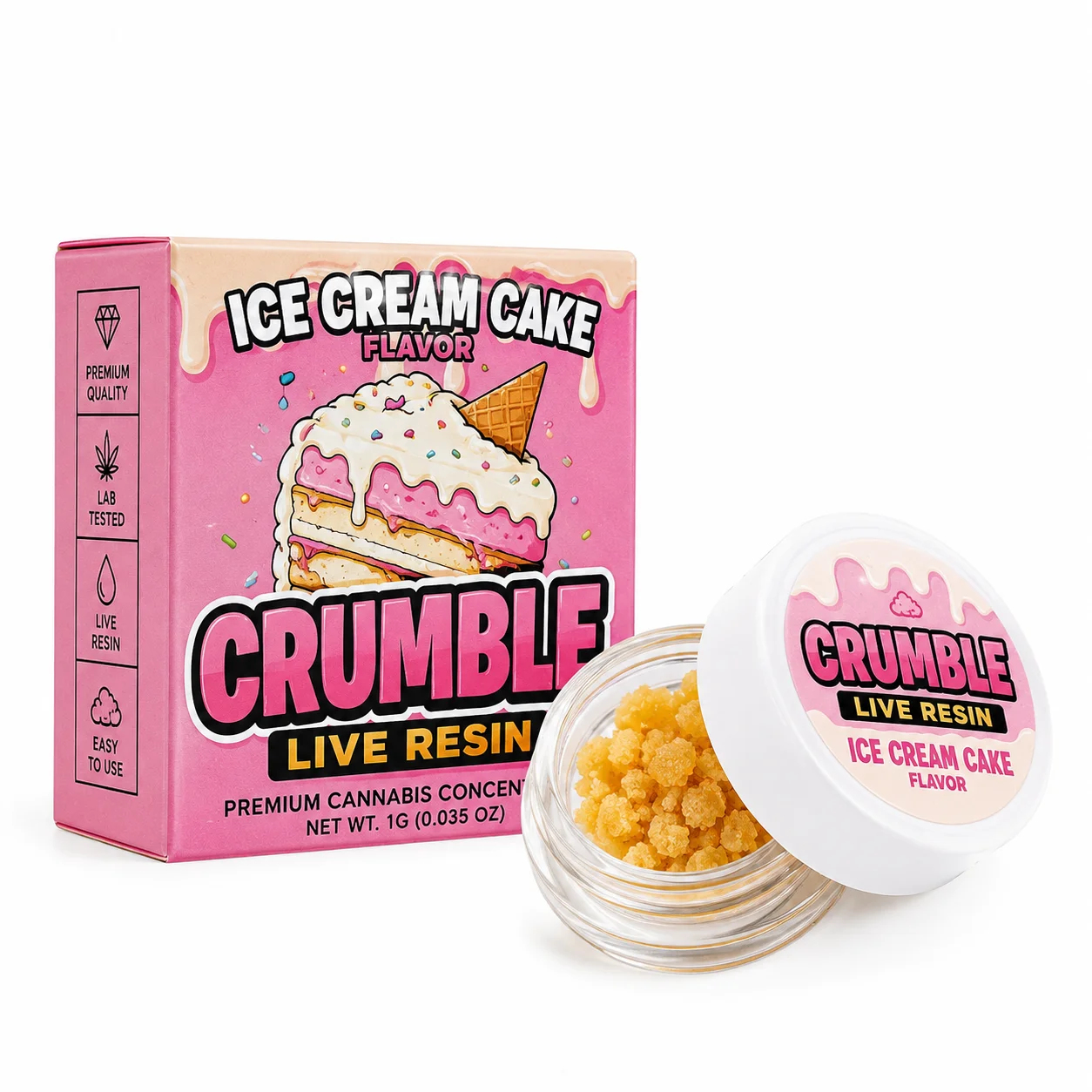
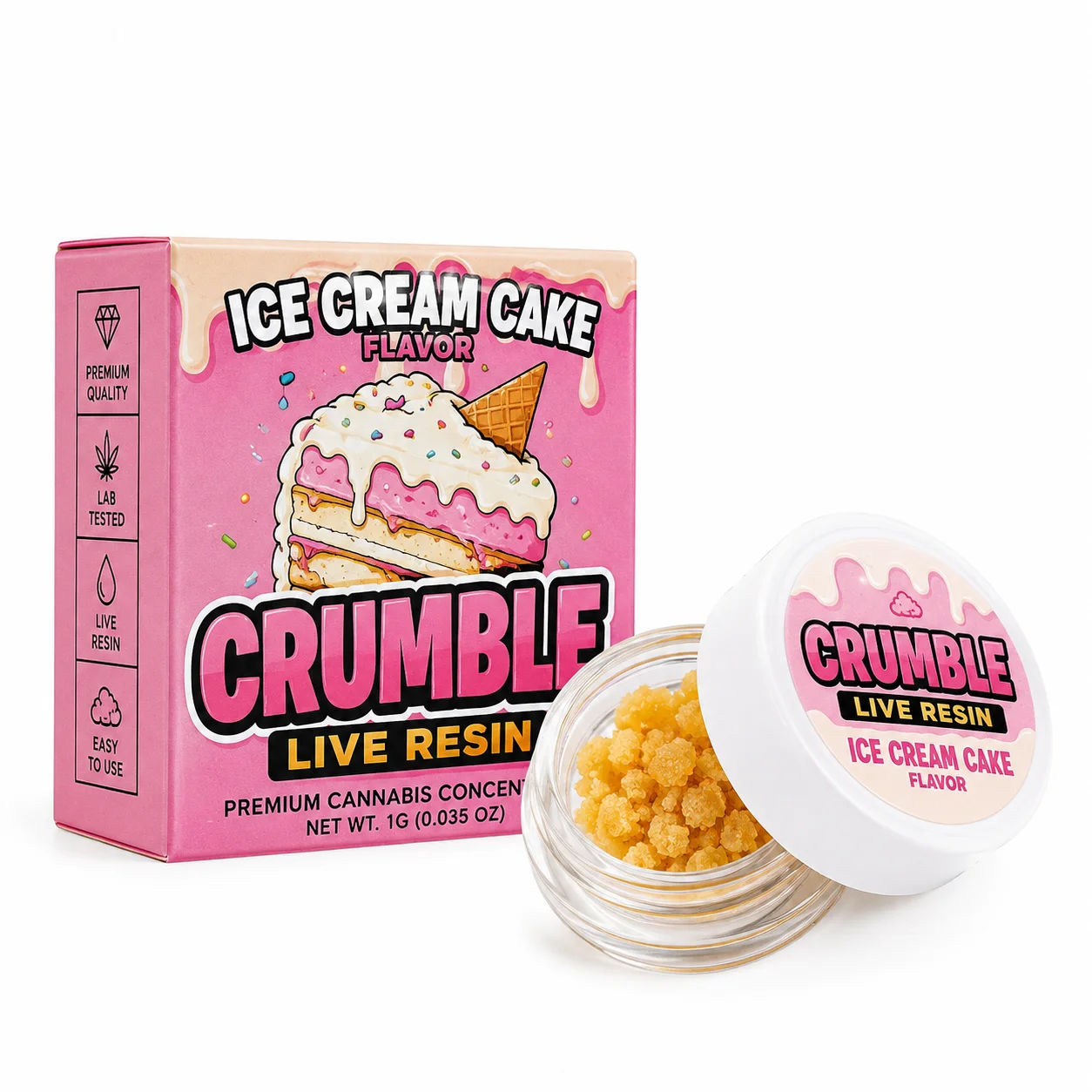
The name breaks into two parts. “Live resin” tells you how it was made: the plant was frozen right after harvest instead of dried and cured the normal way. “Crumble” tells you what it looks and feels like: dry, light, and easy to break apart with your fingers, kind of like a stale cookie.
Put those together and you get a dry, flaky concentrate that keeps more of the plant’s original smell and flavor than most other extraction methods. That’s the whole idea in one sentence, and everything else in this guide just builds on top of it.
How Is It Different From Regular Weed?
Flower (the buds you smoke in a joint or a bowl) usually has a THC level somewhere between 15 and 30 percent. Crumble live resin, like most concentrates, runs a lot higher, often between 60 and 90 percent THC.
So it’s not something you use the same way you’d use flower. A pinch that would barely register with flower can be a full, strong dose as a concentrate. This is the single most important thing for a beginner to understand before trying it for the first time.
The other big difference is flavor. Because crumble live resin comes from fresh-frozen plant material instead of dried and cured buds, it usually smells and tastes a lot closer to the actual strain than a lot of other products do. Some people describe it as smelling almost like the fresh plant itself.
Why Beginners End Up Curious About It
A lot of new concentrate users start with crumble specifically because of its texture. It doesn’t stick to your fingers the way some other concentrates do, and it doesn’t require any special skill to break off a piece. You just pinch off what you need and go.
Compare that to something like sauce, which is runny and can be messy for someone who’s never handled a concentrate before, and it’s easy to see why crumble is often recommended as a beginner-friendly starting point.
If you want a broader explanation of live resin as a category before narrowing in on crumble specifically, this live resin guide is a solid place to start.
How Crumble Live Resin Gets Made (The Simple Version)
You don’t need to become an extraction expert to buy and use crumble live resin, but knowing the basic steps helps you understand why it costs what it costs and why quality varies between brands.
Step one. The plant gets harvested and frozen fast, usually within a couple of hours. This is the “live” part of live resin, and it’s what preserves flavor that would otherwise fade during a normal drying process.
Step two. The frozen plant goes through extraction, usually with a solvent like butane or propane, which pulls out the cannabinoids and terpenes. What comes out at this point is sticky and not ready to use yet.
Step three. The extract gets purged under controlled heat and pressure to remove leftover solvent. This step also decides the final texture. Handled a certain way, it dries into crumble. Handled slightly differently, you’d get badder or shatter instead.
Step four. A finished batch gets tested in a lab for potency and screened for things like pesticides and residual solvents before it’s sold.
That’s really the whole process. It sounds technical, but each step is just solving one specific problem: preserve flavor, extract the good stuff, clean it up, and confirm it’s safe.
Crumble vs. Other Textures: A Beginner’s Cheat Sheet
You’ll see a few different textures on the shelf, and it helps to know how they compare before you pick one.
Crumble
Dry and flaky. Breaks apart easily. Doesn’t stick to your fingers or tools. Usually the easiest texture for a first-timer to handle.
Badder
Soft and creamy, more like cake frosting. Stickier than crumble, but scoops up in one smooth motion once you get used to it.
Shatter
Hard and glass-like. Snaps instead of crumbling. Looks impressive but can be tricky to break into an exact dose without a tool.
Sauce
Loose and syrupy, with visible crystals. Often has bold flavor, but it’s the messiest texture to handle for someone new to concentrates.
For a beginner, crumble and badder tend to be the easiest starting points. For a closer look at how crumble and badder specifically compare, this rundown of what you need to know before you buy is worth reading.
Tools You’ll Actually Need
You don’t need a huge setup to try crumble live resin. Here’s what most beginners start with.
A dab rig. This looks similar to a bong but is built for concentrates instead of flower. You heat a small surface called a nail, place a tiny piece of concentrate on it, and inhale the vapor.
An e-nail. This is an electric version of the nail that holds a steady, exact temperature instead of using a torch. It’s more expensive up front but a lot more consistent and beginner-friendly.
A concentrate vape pen. This is the simplest option by far. It’s portable, usually has preset temperature settings, and doesn’t require an open flame or torch at all.
A dab tool. This is just a small metal or glass tool used to pick up a piece of crumble without touching it with your fingers, which keeps things clean and makes dosing easier.
If you’re just starting out, a vape pen is usually the least intimidating option. You can always move to a dab rig later once you’re more comfortable with dosing and temperature.
How to Take Your First Dab, Step by Step
Here’s a simple walk-through for a first-time dab using a basic rig or e-nail.
1. Heat the nail. If you’re using an e-nail, set it to a low-to-medium temperature. If you’re using a torch, heat the nail until it’s hot, then let it cool for a bit before using it, since a nail that’s too hot burns off flavor and can feel harsh.
2. Load a small piece. Use your dab tool to pick up a piece of crumble about the size of a grain of rice. That’s plenty for a first try.
3. Touch it to the nail. Place the piece on the heated surface and inhale slowly through the mouthpiece as it vaporizes.
4. Use a carb cap if you have one. This little cap traps heat and helps the concentrate vaporize fully at a lower temperature, which keeps more flavor intact.
5. Wait before doing it again. Give it a few minutes. Effects from dabbing tend to show up fast, often within a minute or two, so there’s no rush to take a second hit right away.
How Much Should a Beginner Use?
Less than you think. A piece about the size of a grain of rice is a reasonable starting point for most first-timers. Because crumble live resin is so much stronger than flower, it’s easy to underestimate how much a small amount actually does.
If you don’t feel anything after a few minutes, it’s tempting to assume you need more right away. But give it a little extra time first. Dabbing usually hits fast, but not always instantly, and taking a second dose too soon can catch up with you all at once.
There’s no shame in starting smaller than you think you need. You can always take more next time. You can’t undo a dose that turned out to be too strong.
What to Check Before You Buy Your First Batch
A few quick checks will save you from a bad first experience.
Lab Results
Every batch should come with test results covering potency and screening for pesticides, residual solvents, and heavy metals. If a product doesn’t have this, skip it, no matter how good it looks.
Color and Texture
Good crumble should look fairly consistent in color, without dark spots or an oily sheen. It should actually crumble under light pressure instead of feeling sticky or waxy.
Strain Name
Different strains taste and feel different. Knowing the strain tells you roughly what to expect before you even try it.
A Seller You Trust
Buy from a licensed dispensary or a seller who clearly shows lab results and strain information. This matters even more for beginners, since you don’t yet have the experience to spot a bad product just by looking at it.
For a full checklist you can bring with you to a dispensary, this what to know before buying guide covers it clearly.
Common Mistakes Beginners Make
Using too much on the first try. This is the most common one by far. Start smaller than feels necessary.
Dabbing at too high a temperature. A glowing hot nail might look dramatic, but it burns off flavor fast and can produce a harsh, unpleasant hit.
Skipping the lab results. It’s tempting to just grab whatever looks good in the case, but skipping this step is how people end up with a product that doesn’t match what’s on the label.
Assuming all concentrates work the same. Crumble, badder, shatter, and sauce all handle differently. What works well for a friend’s shatter habit might not translate directly to your first time with crumble.
Forgetting to store it properly. Even a great batch loses flavor fast if it’s left out somewhere warm or bright. Storage matters more than most beginners expect.
You can find more detail on these mistakes and how to avoid them in this everything you should know before you buy guide.
How to Store Crumble Live Resin
Once you’ve got your concentrate home, a few simple habits keep it fresh a lot longer.
Keep it in an airtight container, ideally glass or silicone rather than plastic. Store it somewhere cool and dark, away from windows and warm spots like near electronics or heating vents.
Some people store concentrates in the fridge or freezer for extra shelf life. If you do that, let it warm back up to room temperature before handling it, since cold crumble becomes more brittle and can be trickier to work with straight out of the cold.
Basic as it sounds, good storage is one of the easiest ways to protect the money you already spent on a quality batch.
What Beginners Should Expect to Pay
Crumble live resin usually costs more per gram than flower, and often a bit more than standard cured concentrates too. That price reflects the extra work involved: fast freezing right after harvest, careful cold storage, and more hands-on processing to get that specific dry, flaky texture.
Prices vary by location, strain, and potency, so it’s worth comparing a few options rather than buying the first thing you see. As a beginner, it’s also worth starting with a smaller amount rather than committing to a large quantity before you know if you even like the texture or the strain.
A Short Glossary for First-Timers
Dab: A single dose of concentrate, vaporized and inhaled, usually through a rig or e-nail.
Terpenes: The compounds responsible for a strain’s smell and flavor.
Purging: The step in extraction that removes leftover solvent and shapes the final texture.
E-nail: An electric heating element that holds a steady temperature, used instead of a torch.
Carb cap: A small cap placed over the nail to trap heat and vapor, allowing for lower-temperature dabs.
Full spectrum: A concentrate that keeps a wide range of the plant’s original cannabinoids and terpenes, rather than isolating just one.
Knowing these terms makes it a lot easier to follow along the next time someone starts talking concentrates around you.
Talking to a Budtender Without Feeling Lost
Walking up to a dispensary counter for the first time can feel awkward, especially if the person behind it starts using terms you don’t recognize yet. A few simple questions can carry you through most conversations.
Ask what strain the crumble is made from. Ask whether it’s been lab tested and if you can see the results. Ask how it’s been stored, especially if the display case looks warm or sits near a window. And if you’re not sure how much to buy, just say you’re new to concentrates and ask for a beginner-friendly amount. Most budtenders deal with first-timers all the time and are used to walking people through it.
There’s no need to pretend you know more than you do. Being upfront about being new usually gets you better advice, not worse service.
How Crumble Live Resin Fits Into a Bigger Concentrate World
As you get more comfortable, you’ll probably hear about other concentrate types too, like distillate, rosin, and shatter. It helps to know roughly where crumble live resin sits among them.
Distillate is usually the most refined and the most common type found in vape cartridges. It’s consistent, but a lot of its original flavor gets stripped out during processing and sometimes added back in afterward using separate terpenes.
Rosin is made without any solvent at all, using heat and pressure to press the extract directly out of the plant. It’s often considered one of the purest concentrates available, but it also tends to cost more because of how labor-intensive it is to make well.
Crumble live resin sits in between these two. It uses solvent extraction like distillate does, which keeps costs more reasonable, but it holds onto its terpene profile a lot better because of the fresh-frozen step, closer to what you’d get from rosin. That combination of decent cost and strong flavor is part of why it’s such a popular starting point for people moving beyond flower.
A Beginner’s Timeline: What to Expect From Start to Finish
Here’s a rough idea of what a first purchase and first use might actually look like, from start to finish.
Before you buy: Decide on a budget, pick a strain based on the flavor or effect you’re curious about, and confirm the seller has lab results available.
At the counter or online checkout: Ask any questions you have about strain, potency, and storage. Don’t feel rushed into buying more than a small amount for your first try.
At home, before using it: Store it properly right away, even if you plan to try it soon. Leaving it out on a counter, even for a day, isn’t ideal.
Your first dab: Start with a small piece, use a lower temperature setting, and give yourself a few minutes before deciding whether to take more.
After your first try: Take note of how it felt, how it tasted, and whether the dose felt right. This helps you adjust for next time, whether that means using a little more, a little less, or trying a different strain altogether.
There’s no need to get this perfect on the first attempt. Most people fine-tune their approach over a few tries rather than nailing it exactly on day one.
Safety Basics Worth Knowing
A few safety habits matter more with concentrates than with flower, mostly because of how much stronger they are.
Never dab alone if you’re brand new to concentrates, at least for your first couple of times. Having someone else around isn’t about expecting something to go wrong, it’s just a smart habit while you’re still learning how your body responds.
Be careful with open flame torches if you’re using a traditional rig. Let the nail cool for the recommended amount of time before touching the concentrate to it, both for flavor and for basic safety around hot glass and metal.
Don’t mix concentrates with alcohol or other substances, especially early on, since this makes it a lot harder to judge how you’re actually feeling and can intensify effects in ways that are hard to predict.
And if you ever feel too high or uncomfortable after a dab, sit down somewhere calm, drink some water, and remind yourself that the feeling will pass. It almost always does within an hour or two.
For a more detailed look at buying and using crumble live resin safely and legally, this guide covering what it is, how it’s made, and how to buy it right is worth reading in full.
Frequently Asked Questions From Beginners
Is crumble live resin a good first concentrate?
Yes. Its dry texture is easier to handle than stickier options like badder or sauce, which makes it a common recommendation for people trying concentrates for the first time.
Will it get me too high?
It can, if you use too much. That’s why starting with a small piece, roughly the size of a grain of rice, matters so much for a first-timer.
Do I need a dab rig to try it?
No. A concentrate-friendly vape pen works fine and is a lot less intimidating for a first attempt.
How do I know if a batch is good quality?
Check for lab results, look for a consistent color and texture, and confirm the strain name is clearly listed. If all three check out, you’re in decent shape.
What if I don’t like the effects?
That’s normal. Different strains and different terpene profiles feel different to different people. Trying a few strains before settling on a favorite is completely normal for beginners.
For a more complete buyer’s guide covering these same questions in more depth, this complete buyer’s guide is worth reading before your first purchase.
Signs You’re Getting the Hang of It
After a few tries, you’ll start to notice patterns that tell you you’re getting more comfortable with crumble live resin as a beginner.
You’ll start recognizing your ideal dose without having to guess each time. You’ll get a feel for which temperature range gives you the smoothest, most flavorful hit instead of a harsh one. You’ll start noticing differences between strains, not just in how they taste but in how they make you feel, whether that’s more relaxed, more focused, or somewhere in between.
You might also start caring more about lab results and terpene percentages than you did at first, simply because you’ve experienced firsthand how much those details actually affect the final product. That’s a normal progression, and it usually happens faster than people expect once they’ve had a few good sessions to compare against.
When It Might Not Be the Right Fit
Crumble live resin isn’t the right starting point for everyone, and that’s worth saying plainly. If you’re someone who gets uncomfortable with strong, fast-acting effects, starting with something milder, like a low-dose edible or a small amount of flower, might make more sense before working up to concentrates.
If you’re sensitive to inhaling vapor or smoke for health reasons, it’s worth talking to a doctor about whether dabbing is a good option for you at all, regardless of experience level.
And if you’re mainly looking for something to use occasionally rather than build a habit around, the cost and equipment involved in dabbing might not make sense compared to a simpler option like pre-rolled flower or a low-dose vape cartridge.
There’s no requirement to use concentrates just because they’re popular. Plenty of people stick with flower or other methods their whole lives and never feel like they’re missing out.
Where to Learn More Before You Buy
If you want to keep reading before you commit to a purchase, a few more resources are worth checking out. This breakdown of what it is, how it’s made, and how to buy it right covers a lot of the same ground from a slightly different angle, and this straight-up buying guide keeps things short and practical if you’re short on time.
If you’re specifically comparing live resin crumble against other live resin products, this real buyer’s guide is a good next stop. And for one more take on the basics, covering the same “what it is, how it’s made” territory from a different writer, check out this second breakdown of what it is and how to buy it right. Finally, this overview of crumble live resin for sale rounds things out with current market context.
Putting It All Together
This has been crumble live resin explained for beginners, and hopefully the whole idea feels a lot less mysterious now than it did at the start. It’s a dry, flaky concentrate made from fresh-frozen plant material, and it’s usually one of the friendliest textures for a first-timer to handle.
Start small, check lab results before you buy, pick simple tools like a vape pen if you’re nervous about a dab rig, and don’t feel pressured to jump straight to a big dose. Everyone who dabs regularly today started exactly where you are now, and a slow, careful first try is the best way to make sure it’s a good experience instead of an overwhelming one.