
If you’ve heard someone call a concentrate “crumble wax” and then heard someone else call basically the same thing “live resin crumble,” you’re not losing your mind. Those names get used loosely, and a lot of shoppers end up confused about whether they’re the same product or two different ones.
So let’s clear it up. This article walks through what live resin crumble actually is, how it’s different from (and similar to) crumble wax, how it’s made, and what you should actually check before you buy any of it. No hype, just the facts, explained the way you’d explain them to a friend on the phone.
Live Resin Crumble, Plain and Simple
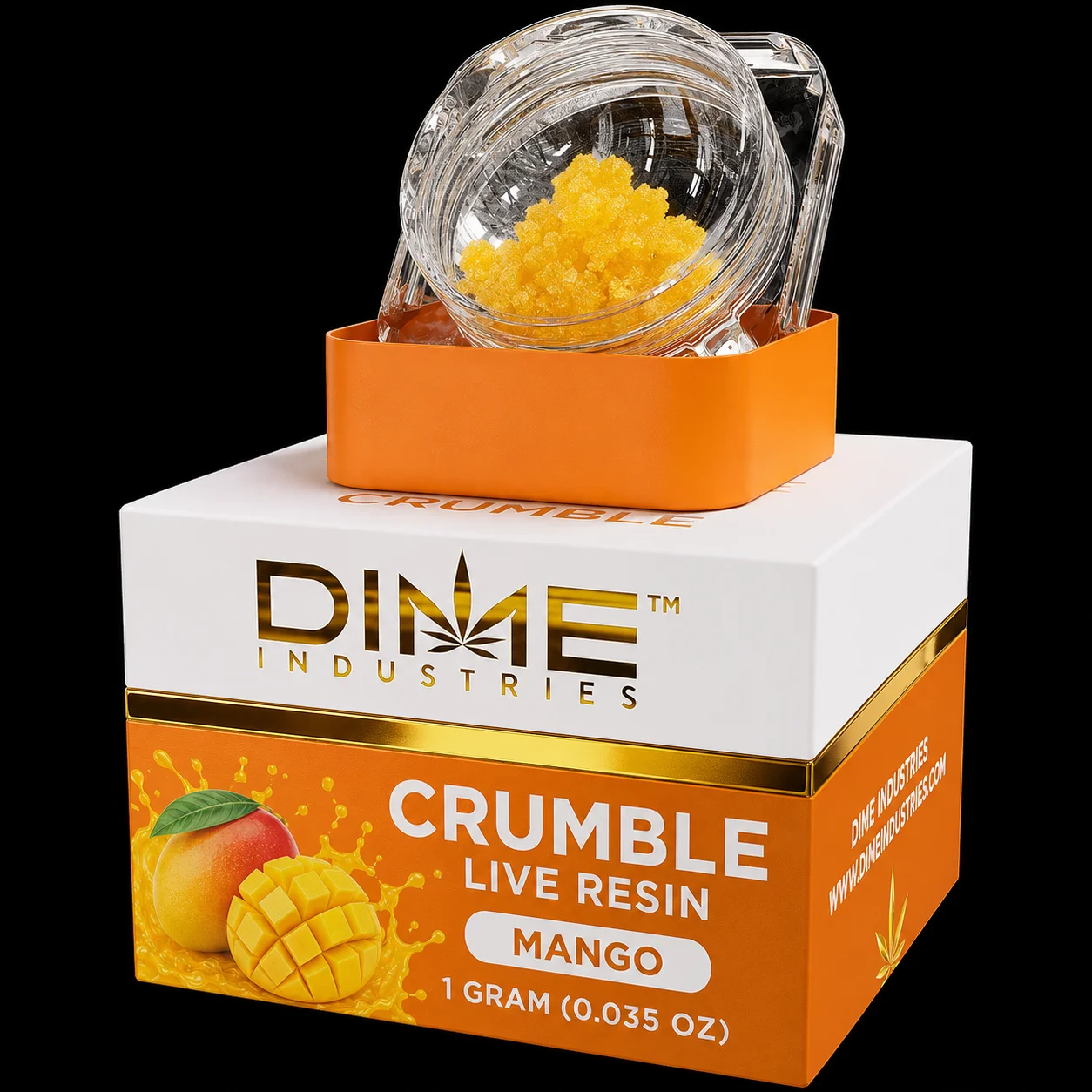
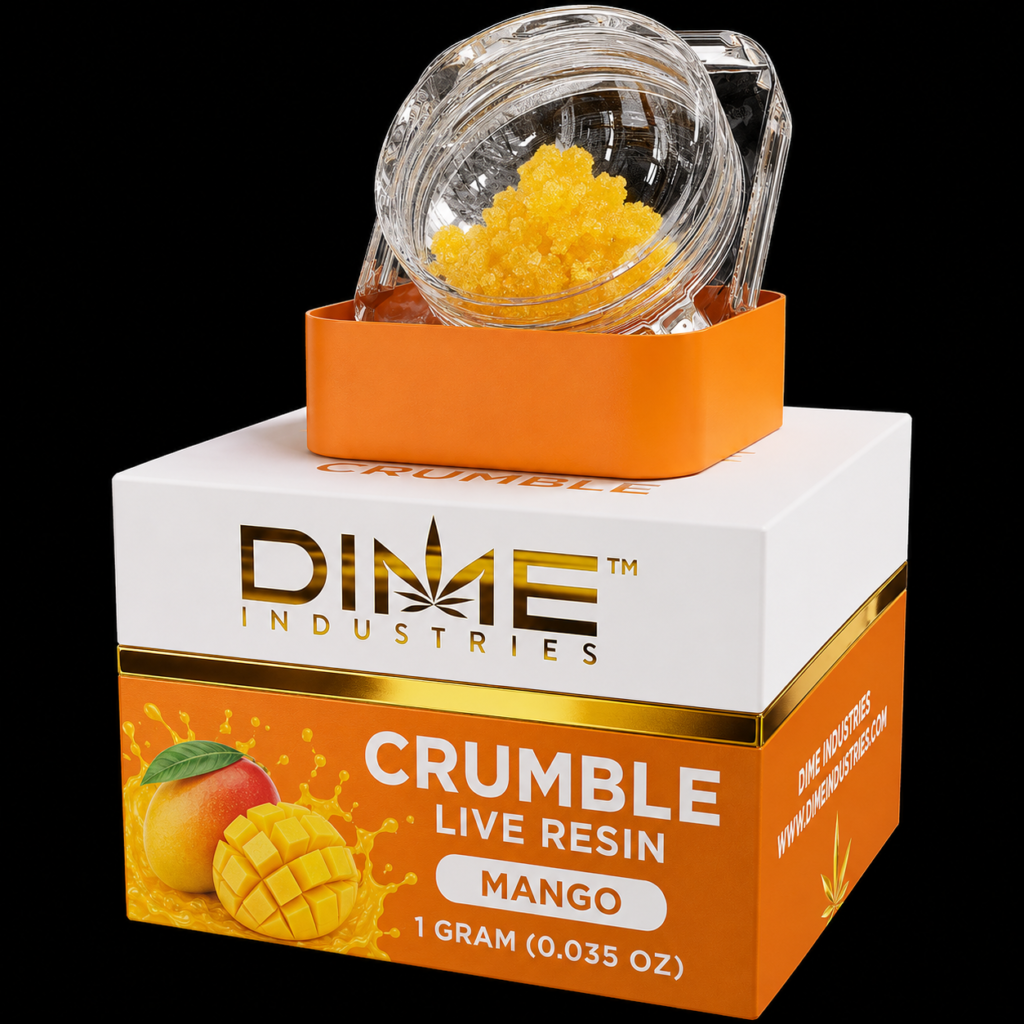
Live resin crumble is a cannabis concentrate made from plant material that gets frozen right after harvest instead of dried and cured first. The “live resin” part tells you how it’s extracted. The “crumble” part tells you what it looks and feels like once it’s done: dry, light, and easy to break apart with your fingers.
Most concentrates start with cannabis that’s been dried and cured for days or weeks before extraction. That’s the normal process, and it works fine. But drying and curing gives terpenes, the compounds behind smell and flavor, plenty of time to fade away. Live resin skips that step. The plant goes from the field into a deep freeze within a couple of hours, and it stays frozen until extraction happens. That means way more of the original terpene content survives.
So when someone hands you a jar of live resin crumble, you’re getting a product that smells and tastes closer to the actual living plant than most other concentrates can manage. That’s the whole selling point, and it’s not just marketing talk. It comes down to basic chemistry: less time for compounds to break down means more of them stick around in the final product.
Is Crumble Wax the Same Thing?
Here’s where it gets a little messy. “Crumble wax” is an older, more general term. It just describes a concentrate with a dry, crumbly texture, and it doesn’t say anything about how the plant was handled before extraction. So crumble wax could be made from cured material or from fresh-frozen material.
Live resin crumble is a more specific version of crumble wax. All live resin crumble is crumble wax, but not all crumble wax is live resin. If you see a product labeled just “crumble” or “crumble wax” without mentioning live resin, it’s probably made the standard way, from dried and cured plant material.
That doesn’t automatically make it worse. Cured concentrates can still be well made and flavorful. But if flavor and aroma are what you care about most, live resin crumble is going to be the stronger pick almost every time, because of that fresh-frozen process behind it.
If you want a deeper breakdown of how these terms get used (and sometimes misused) across different brands, this live resin guide covers a lot of that ground in more detail.
How Live Resin Crumble Gets Made
The process starts the moment the plant is harvested. Growers cut the plant and get it into a freezer fast, usually within two hours. That speed matters. Every extra hour the plant sits at room temperature is time for terpenes to start breaking down.
Once frozen, the plant stays frozen through transport and storage, all the way up until it’s time to extract. At that point, a solvent (usually butane or propane) gets used to pull the cannabinoids and terpenes out of the frozen material. What comes out of this step is sticky, wet, and not ready to use yet.
The next step is purging. This is where heat and pressure get applied in a controlled way to remove the leftover solvent. And this step is also where the final texture gets decided. If the purge is dialed in a certain way, the extract dries out and turns into that light, flaky crumble texture. Push the process slightly differently, and you’d end up with badder or shatter instead.
None of this happens by accident. Getting a consistent crumble texture batch after batch takes real skill, which is part of why quality really does vary between producers. A rushed purge, or one done at the wrong temperature, can leave behind extra moisture or solvent, which shows up as a softer, stickier, less stable product.
You can find a step-by-step look at this whole process, including some of the equipment involved, in this complete buyer’s guide.
Why the Freeze Actually Matters
It’s worth spending a minute on why this freezing step gets so much attention, because it’s easy to assume it’s just a buzzword. It’s not.
Terpenes are volatile. That means they evaporate or degrade when they’re exposed to heat, light, and air over time. A normal drying and curing cycle takes anywhere from a week to a month, and during all of that time, terpenes are slowly disappearing. By the time a cured product reaches extraction, a good chunk of its original terpene content is already gone.
Live resin skips almost all of that decay window. Freezing the plant right after harvest locks the terpenes in place before they have a chance to fade. That’s why live resin products, crumble included, tend to smell stronger and taste more accurate to the actual strain compared to anything made from cured material.
There’s also a functional reason this matters beyond just flavor. Terpenes work alongside cannabinoids to shape how a product actually feels, something people often call the entourage effect. A concentrate with a fuller terpene profile can feel more complete and balanced than one where most of those compounds have already broken down.
Crumble vs. Badder vs. Shatter vs. Sauce
Since crumble wax is just one texture out of several, it helps to know how it stacks up against the others.
Crumble
Dry, light, and breaks apart easily. It doesn’t stick to your dab tool or your fingers, which makes it one of the easier concentrates to measure out cleanly. This is the texture most people mean when they say “crumble wax.”
Badder
Also called batter, this one gets whipped during the purging process, which gives it a softer, creamier consistency, more like frosting than a dry cake. It’s stickier than crumble but often easier to scoop in one smooth motion.
Shatter
Hard and glass-like. It snaps instead of crumbling, and it’s made with a different purging approach that results in a smoother, more stable structure. Some people like the visual look of shatter more than the practical handling of it.
Sauce
Runny and syrupy, often with visible terpene crystals floating in it. Sauce usually carries the boldest flavor of the bunch, but it’s messier to work with and harder to store without a mess.
None of these textures beats the others across the board. It really comes down to what you personally find easiest to handle and how you like to load your dab rig or vape. For a side-by-side comparison written by someone who’s clearly tried all of them, check out this breakdown of everything you should know before you buy.
How Strong Is Live Resin Crumble?
Potency in live resin crumble typically falls somewhere between 60 and 90 percent THC, depending on the strain and the specific batch. That’s dramatically higher than flower, which usually tops out around 25 to 30 percent.
Because of that gap, dosing matters a lot more with concentrates than it does with flower. A tiny piece, often compared to a grain of rice, is usually enough for a first try, especially if you’re new to dabbing. Effects also come on faster than most people expect, often within a minute or two, so it’s smart to wait a bit before deciding you need more.
Potency numbers alone don’t tell the whole story, though. Two batches with the same THC percentage can feel completely different depending on their terpene content. That’s part of why live resin crumble often feels stronger or more “complete” than a cured concentrate with an identical THC number on the label.
How People Actually Use It
Live resin crumble gets vaporized, not smoked directly. The most common tools are a dab rig, an electronic nail (often called an e-nail), or a vape pen built specifically for concentrates.
Dab rigs give you the most control over temperature, which matters because dabbing at too high a heat can burn off terpenes and make the hit harsh, kind of defeating the whole point of choosing live resin in the first place. Lower, more controlled temperatures tend to preserve more flavor and produce a smoother hit.
E-nails are popular because they hold a consistent temperature automatically, so you’re not guessing with a torch. Vape pens are the most beginner-friendly option since they’re portable and usually come with preset temperature settings.
Whichever method you use, start small. You can always take more. You can’t undo a dose that’s too strong.
What to Actually Check Before You Buy
Not every product labeled “crumble” or “crumble wax” is made the same way, and not every batch is worth your money. Here’s what actually matters.
Color and Texture
A good batch should look fairly consistent in color, without dark spots or a wet, oily sheen. It should genuinely crumble under light pressure, not feel waxy or overly sticky.
Lab Testing
This one isn’t optional. Reputable sellers test every batch for potency, and they screen for pesticides, residual solvents, and heavy metals. If a product doesn’t come with test results attached, don’t buy it, no matter how good the marketing sounds.
Strain Information
Terpene profiles vary a lot from strain to strain. Knowing exactly what strain you’re getting tells you a lot about what kind of flavor and effects to expect before you even open the container.
Storage History
Live resin is sensitive to heat and light. A batch that’s been sitting in a warm display case for weeks won’t taste the same as one that’s been kept cold and dark the entire time. If a seller can’t tell you how the product was stored, that’s worth asking about directly.
A lot of these buying details get covered in more depth in this practical guide to quality, safety, potency, and legal purchasing, which is worth a read if you want to go deeper before you spend any money.
Where You Can Legally Buy It
Live resin crumble and crumble wax are only legal to buy where cannabis concentrates are legal, and the rules vary a lot depending on where you live. In states or countries with a legal recreational or medical cannabis market, you’ll usually find these products at licensed dispensaries, both in person and through online ordering with in-store pickup or delivery.
Buying from a licensed, regulated seller matters for more than just legal reasons. Regulated markets require lab testing, tracking, and clear labeling, all of which protect you as a buyer. Unregulated or gray-market sellers skip those steps, which means you have no real way to confirm potency or safety.
If you’re trying to figure out exactly where these products are legally available and how the buying process works in practice, this rundown on where crumble live resin is available in legal markets lays it out clearly.
What Affects the Price
Live resin crumble usually costs more than standard cured concentrates, and there’s a real reason for that. The fresh-frozen process requires fast turnaround from harvest to freezer, careful cold storage the whole way through, and more hands-on processing to hit that specific crumble texture. All of that adds cost compared to a cured concentrate that can sit around before extraction without much consequence.
Strain rarity also plays a role. A well-known, widely grown strain will usually cost less than a limited or specialty strain. Potency can push price up too, though a slightly lower THC percentage with a strong terpene profile is often a better buy than a slightly higher percentage with a flat, faded smell.
Location matters as well. Prices shift based on local taxes, regulations, and how competitive the market is in your area. It’s worth comparing a few different sellers rather than assuming the first price you see is the going rate.
Common Mistakes People Make When Buying Crumble
A few mistakes come up again and again, and they’re easy to avoid once you know to look for them.
Skipping the lab results. This is the single biggest mistake. A product without test results is basically a guess, no matter how nice it looks in the packaging.
Judging quality by color alone. Color matters, but it’s not the whole picture. A product can look fine and still have quality issues that only show up in testing or in how it actually crumbles and smells.
Buying based on THC percentage alone. A higher number doesn’t always mean a better experience. Terpene content matters just as much, sometimes more, for how the product actually feels and tastes.
Storing it wrong once it’s home. Even a great batch can go downhill fast if it’s left out in a warm room or exposed to sunlight. Good habits after purchase matter almost as much as the buying decision itself.
Assuming “crumble” always means live resin. As covered earlier, plenty of crumble wax is made from cured material, not fresh-frozen. If live resin specifically matters to you, check the label or ask directly.
Reading a Lab Report Without Getting Confused
Lab reports look intimidating the first time you see one, but you really only need to check a handful of things.
Look for a cannabinoid panel first. This shows THC, CBD, and sometimes minor cannabinoids like CBG or CBN, listed as a percentage. This is where you’ll confirm the potency claim on the label actually matches reality.
Next, check for a terpene panel. Not every lab report includes this, but the good ones do. It breaks down which specific terpenes are present and in what amount. This tells you a lot more about how a product will actually taste and feel than the THC number alone.
Finally, look for a contaminants section. This should cover pesticides, residual solvents, heavy metals, and sometimes microbial testing like mold or bacteria. Every result here should say “pass” or show a number well under the legal limit. If anything says “fail,” walk away from that product entirely, no matter how good the price looks.
Most legitimate sellers post lab reports directly on the product page or make them available on request. If a seller hesitates or can’t produce one, take that as a clear warning sign rather than a small inconvenience.
A Closer Look at Terpenes You’ll Actually Notice
Terpenes get mentioned a lot in this article, so it helps to know a few of the common ones you’ll actually run into on a label.
Myrcene shows up in a lot of strains and tends to carry an earthy, musky smell, sometimes compared to cloves. It’s one of the more common terpenes overall, and it’s often associated with a heavier, more relaxed feeling.
Limonene brings a bright, citrusy smell, similar to orange or lemon peel. Strains high in limonene often get described as more uplifting or energizing.
Pinene, as the name suggests, smells like pine trees. It shows up in strains that lean toward a sharper, fresher aroma, and some people associate it with feeling more alert.
Caryophyllene has a spicier, peppery smell and is one of the few terpenes that also interacts directly with cannabinoid receptors, which is part of why researchers pay extra attention to it.
You don’t need to memorize all of this to enjoy live resin crumble. But knowing what a terpene panel is actually telling you makes it a lot easier to pick a strain based on how you want to feel, rather than guessing off the strain name alone.
Beginner Mistakes to Avoid at the Dab Rig
A few habits trip up almost everyone the first few times they use a dab rig, so it’s worth knowing about them ahead of time.
Dabbing at too high a temperature. A nail that’s glowing hot might look impressive, but it burns off terpenes almost instantly and can produce a harsh, unpleasant hit. Lower, more controlled temperatures preserve flavor a lot better.
Using way too much concentrate. It’s easy to load more than you need, especially if you’re used to smoking flower. Start with a small piece and build up from there instead of guessing high on your first try.
Not letting the nail cool enough before inhaling. This one connects to the temperature issue above. Waiting even a few extra seconds after heating the nail can make a real difference in how smooth the hit feels.
Skipping the carb cap. A carb cap helps trap heat and vapor, which lets you dab at a lower temperature while still fully vaporizing the concentrate. Skipping it usually means you need more heat to get the same result, which works against the flavor you’re trying to preserve in the first place.
Not cleaning the rig regularly. Leftover residue builds up fast and affects the taste of every dab after it. A quick wipe-down after each session keeps flavor consistent and extends the life of your equipment.
How to Store It Once You Get It Home
Storage is what decides how long that fresh flavor actually sticks around. Heat, light, and air are the three things working against you.
Keep your crumble in an airtight container, ideally glass or silicone rather than plastic, since plastic can interact with concentrates over time. Store it somewhere cool and dark, away from windows, warm electronics, or anywhere the temperature swings throughout the day.
Some people keep concentrates in the fridge or freezer for longer-term storage. If you do that, let it warm back up to room temperature before handling it. Cold crumble gets more brittle and can break apart in ways that make it harder to work with cleanly.
If you want a full walk-through on storage along with buying advice in one place, this practical guide to quality, safety, and potency is a solid resource to bookmark.
Crumble, Concentrates, and the People Who Use Them
It helps to remember that live resin crumble isn’t a niche product used by a tiny group of enthusiasts anymore. As legal cannabis markets have grown, concentrates in general have become a much bigger part of the overall market than they used to be. A lot of people who started out smoking flower eventually move toward concentrates because they want stronger effects from a smaller amount of product, or because they’ve developed a real preference for a specific strain’s flavor and want the most accurate version of it they can find.
That shift in demand is part of why live resin specifically has grown so much in popularity. Casual users might not care about the difference between cured and fresh-frozen extraction, but people who’ve tried both side by side usually notice the gap right away. Once you taste a well-made batch of live resin crumble next to a standard cured concentrate, it’s hard to go back to settling for less flavor.
None of this means cured concentrates are bad or not worth buying. Plenty of people are perfectly happy with them, especially if price matters more to them than getting the most accurate possible flavor. But if you’ve never tried live resin and you’re curious what the fuss is about, it’s worth setting aside a little extra budget to compare the two for yourself.
Live Resin Crumble vs. Regular Crumble Wax: A Quick Recap
It’s easy to lose track of the distinction after covering this much ground, so here’s the short version.
Regular crumble wax is just a texture. It tells you the concentrate is dry and flaky, but nothing about how the plant was processed before extraction. Live resin crumble is a specific type of crumble wax made from fresh-frozen plant material, which gives it a stronger, more accurate flavor and aroma compared to crumble made from cured material.
If flavor is your top priority, look specifically for the words “live resin” on the label, not just “crumble.” If you’re mainly focused on texture and ease of handling, and flavor is a secondary concern, standard crumble wax might be a perfectly fine and often cheaper option.
For another detailed comparison that walks through this exact distinction with real examples, take a look at this buyer’s guide breakdown.
Questions People Ask a Lot
Does live resin crumble go bad?
It doesn’t spoil the way food does, but flavor and potency both fade over time, especially with poor storage. Kept airtight, cold, and dark, a batch can hold up well for several months.
Is live resin crumble stronger than regular crumble wax?
Not necessarily in raw THC percentage, but it often feels stronger or more complete because of its higher terpene content and the entourage effect that comes with it.
Can beginners use live resin crumble safely?
Yes, as long as you start small. Because it’s so much more potent than flower, a tiny amount goes a long way, and you can always adjust upward once you know how your body responds.
Why does live resin crumble cost more than other concentrates?
The fresh-frozen process is faster, more delicate, and more labor-intensive than working with cured plant material, which drives up production costs.
What’s the best way to try it for the first time?
A small dab with an e-nail or a concentrate-friendly vape pen gives you the most control over temperature and dose size, which makes for an easier first experience.
If you want even more first-timer advice laid out step by step, this live resin guide covers a lot of the basics in simple terms.
Putting It All Together
Live resin crumble earns its reputation honestly. The fresh-frozen extraction process behind it preserves flavor and aroma in a way that cured concentrates just can’t match, and the dry, flaky texture makes it one of the easier concentrates to handle, measure, and store. Crumble wax as a general category covers a lot of ground, but if flavor and aroma actually matter to you, the live resin version is worth the extra cost almost every time.
Before you buy, check the lab results, know your strain, ask about storage, and buy from a licensed, regulated seller whenever that’s an option where you live. Those few checks are the difference between a great experience and a disappointing one.
If you want to keep reading before you commit to a purchase, a few more resources worth checking out include this guide covering what it is, how it’s made, and how to buy it right, and this guide to legal purchasing and quality checks. Take your time, ask questions before you buy, and start with a small amount once you do.